Le Mont Saint-Michel

Wow! Wow! The WB mamas have always wanted to see Mont Saint-Michel, and we were extremely lucky – unusually for October and for the region, we visited on a fine, clear day. The Mont made a striking appearance when we were still some distance away – rising up from the otherwise flat landscape as if it were some kind of floating mirage. At the risk of using too many superlatives, it was a truly incredible sight.

Le Mont Saint-Michel

We parked in the designated area and caught the free shuttle bus to the Mont. We could have walked, but having been cautioned about the steep climb up to the abbey itself, we wanted to save the little WBB legs and also our backs from having to haul two little boys up like sacks of potatoes. We’d like to to pause here and thank our friend Natasha from the bottom of our hearts for lending us her Ergo baby carrier – we would not have survived without it.
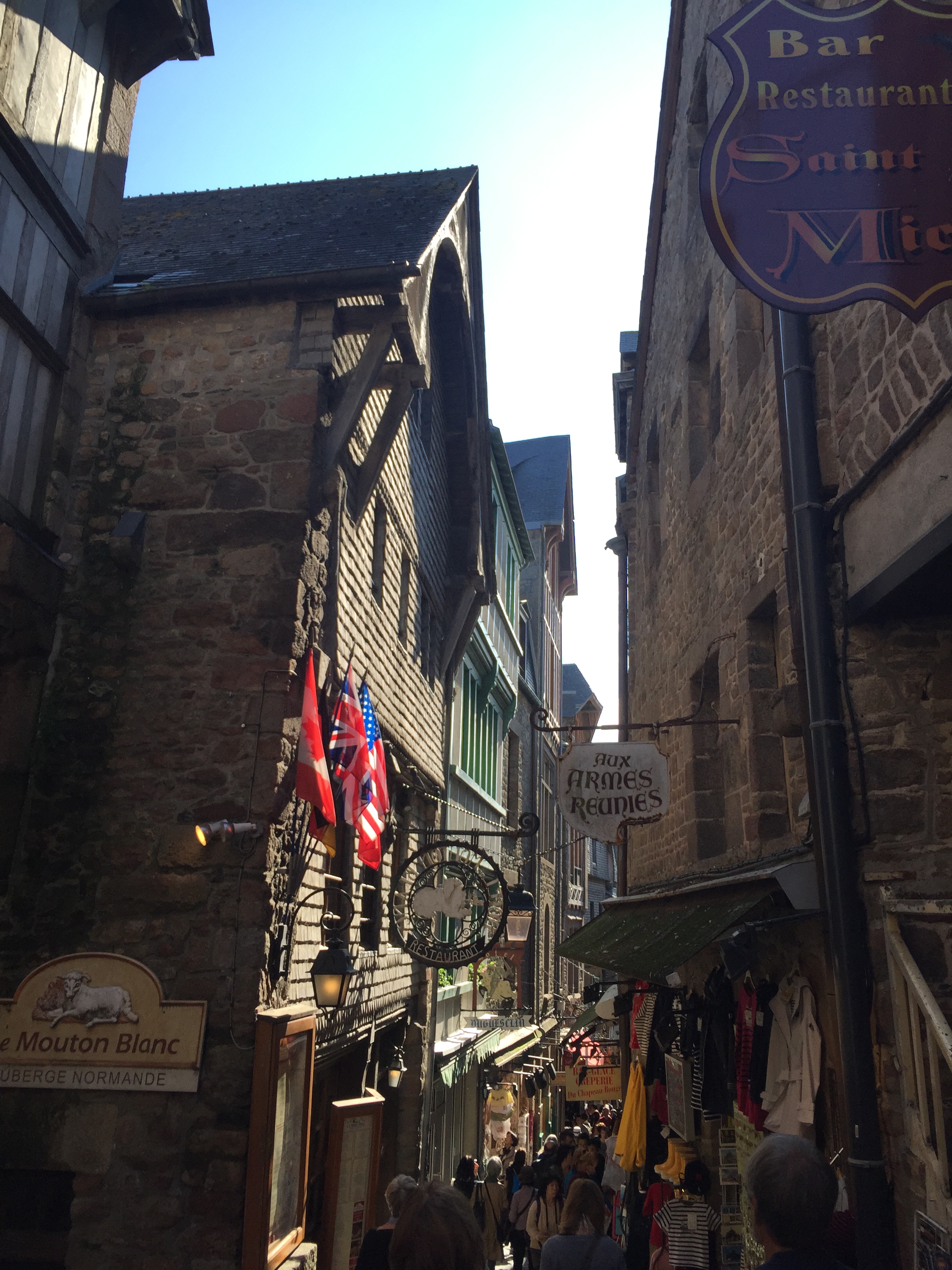
more streets
Winding little streets leading up to the abbey
stairs
Stairs and more stairs
clapped out
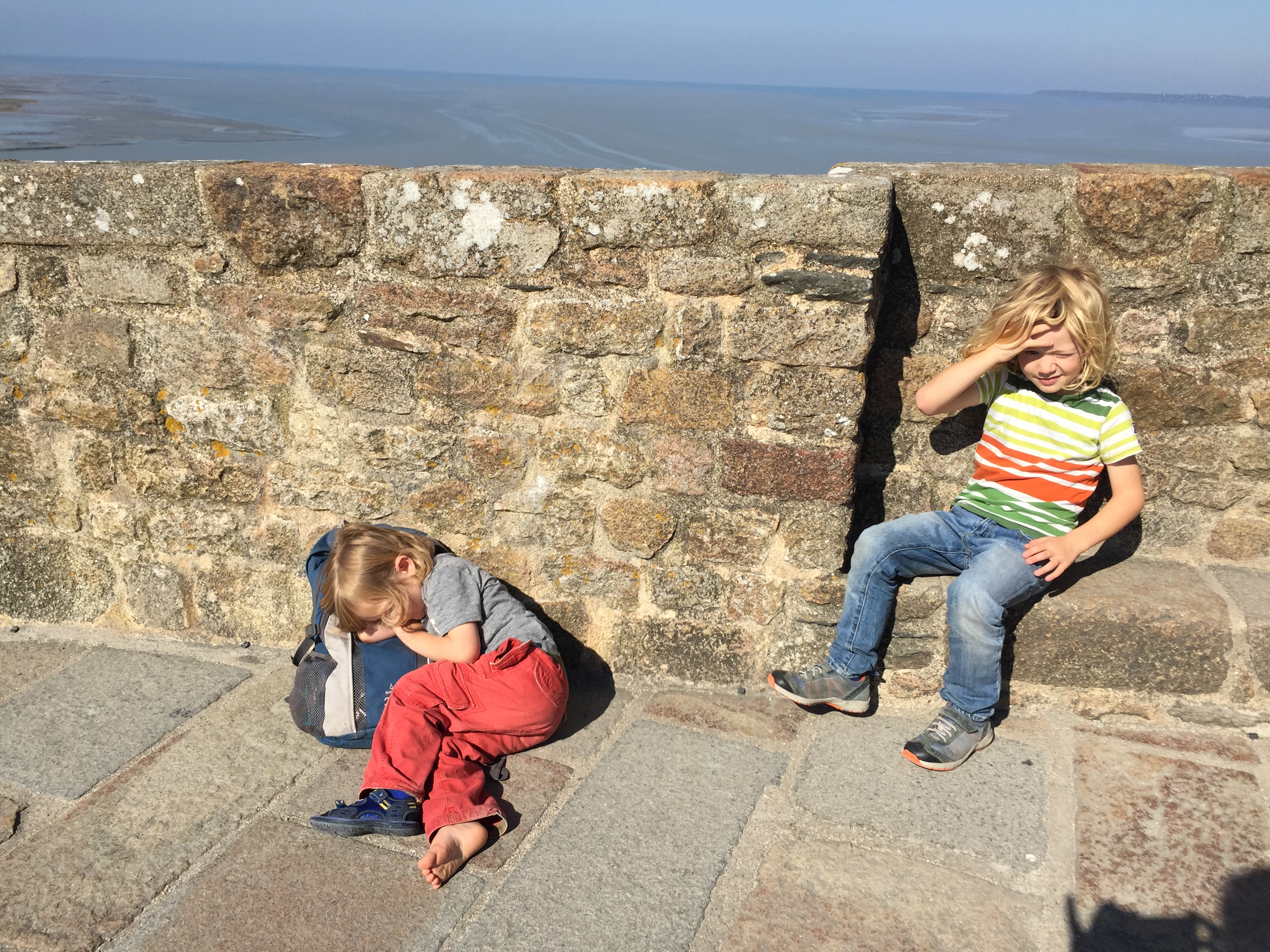
Finally at the top! Knackered!

Once at the top we gave the littlest WB time to recover and then spent some time clambering around exploring the abbey. The plain, soaring stone architecture combined with the spectacular views create a feeling of tranquility despite the steady flow of sightseers. It would be horribly cold and isolated in winter – the determination required to build the abbey in the first place must have been quite something. However, while we were there the sun shone brightly and it was hard to imagine a finer way to spend our day.

Let me rest
Talk to the hand. Let me rest
IMG_5609
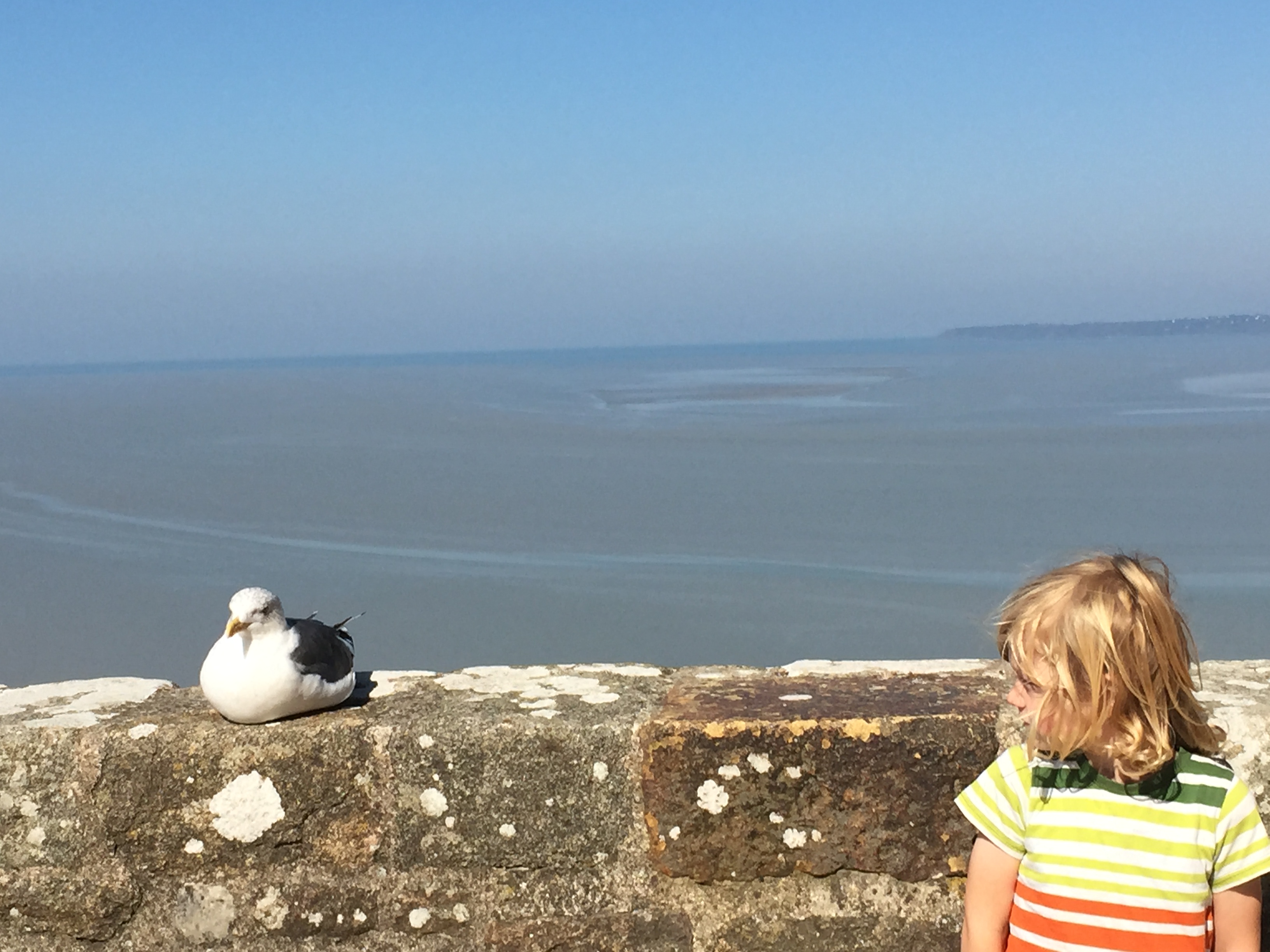
Enjoying the view
IMG_5610
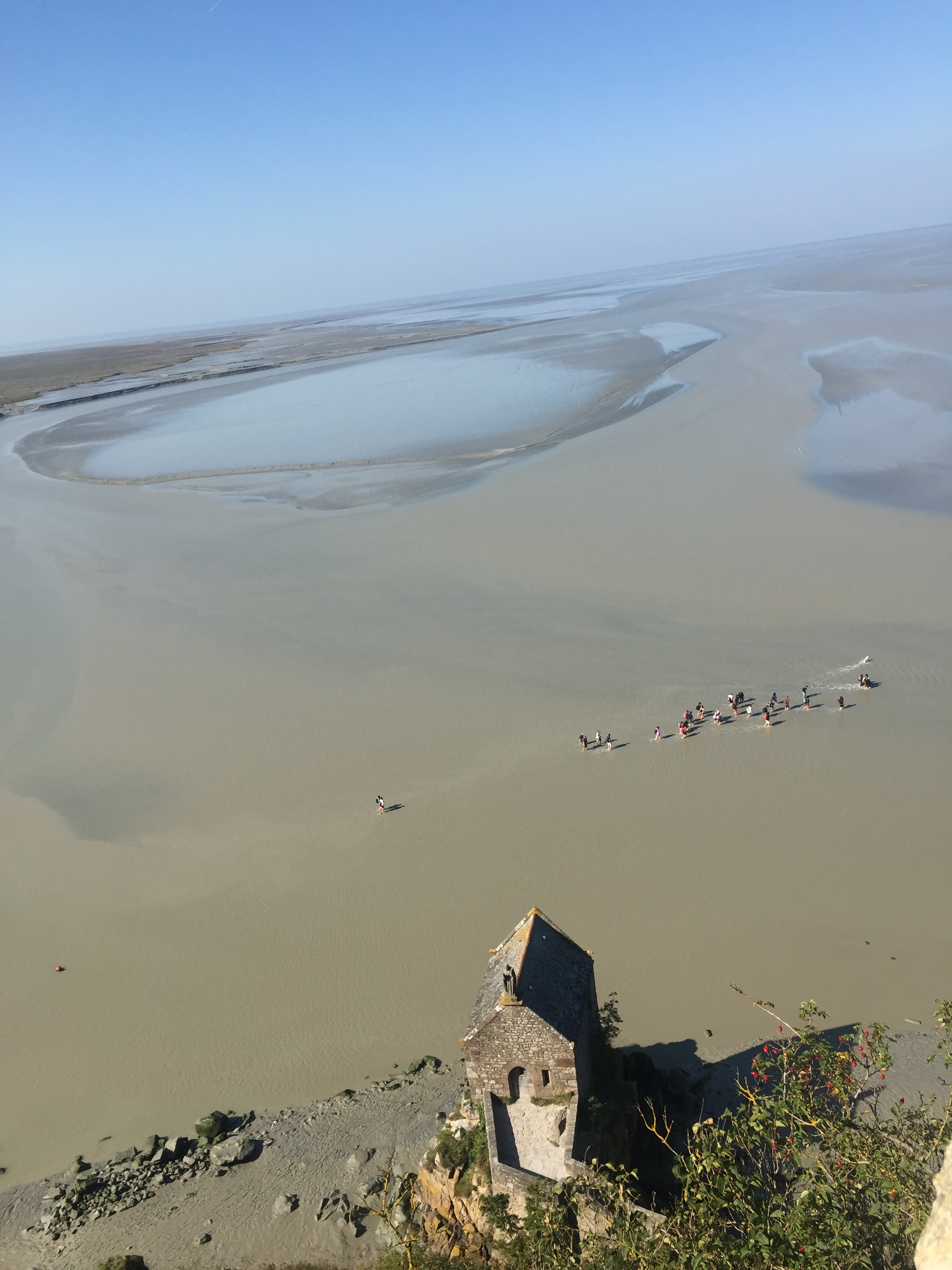
Far below. Walkers on the estuary (and one very happy dog)
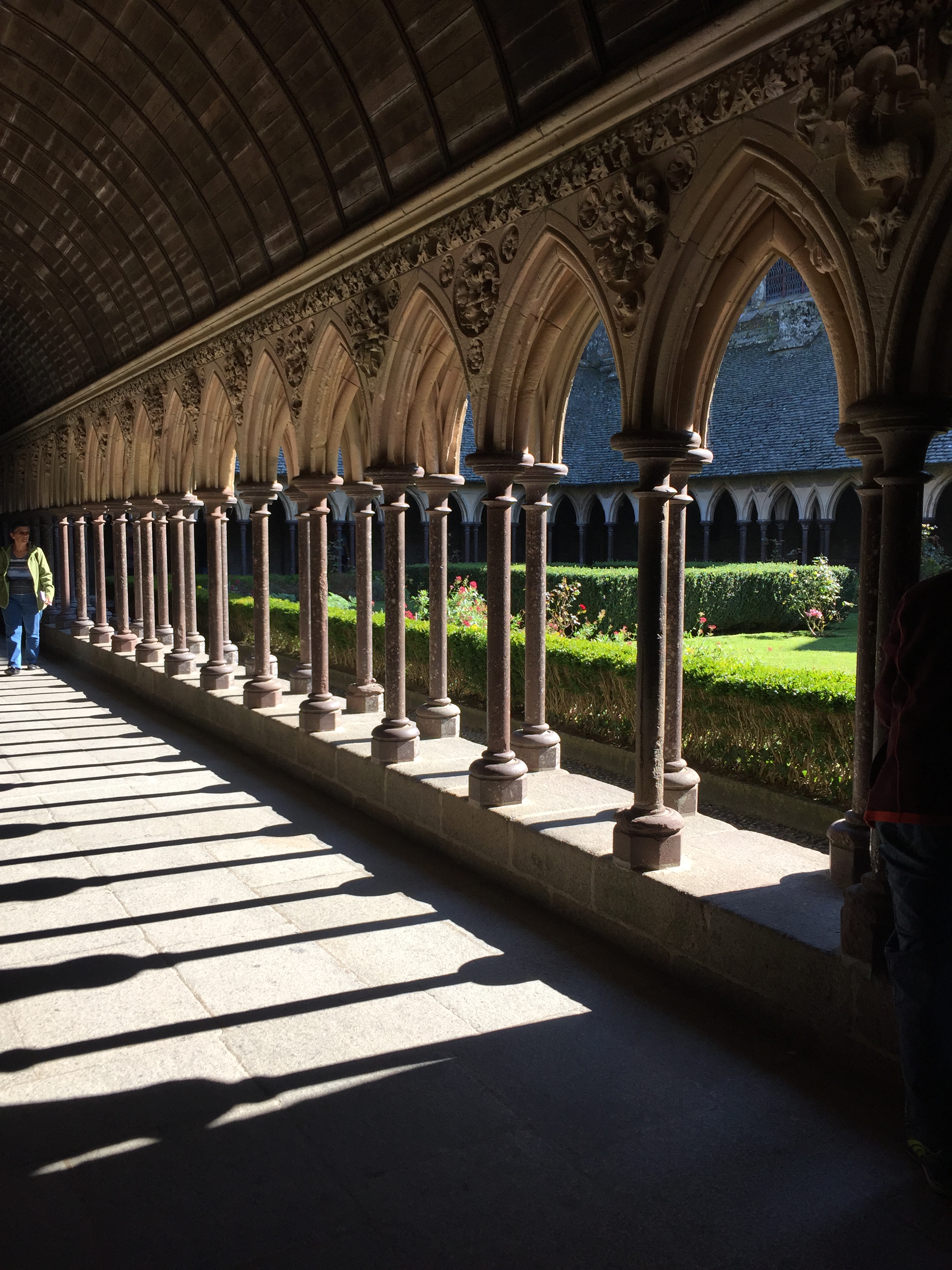
shadows
Shadows at the summit
santa
This fireplace is big enough for Santa and all his reindeer too.. and.. what’s the biggest present I can think of?…
secret garden
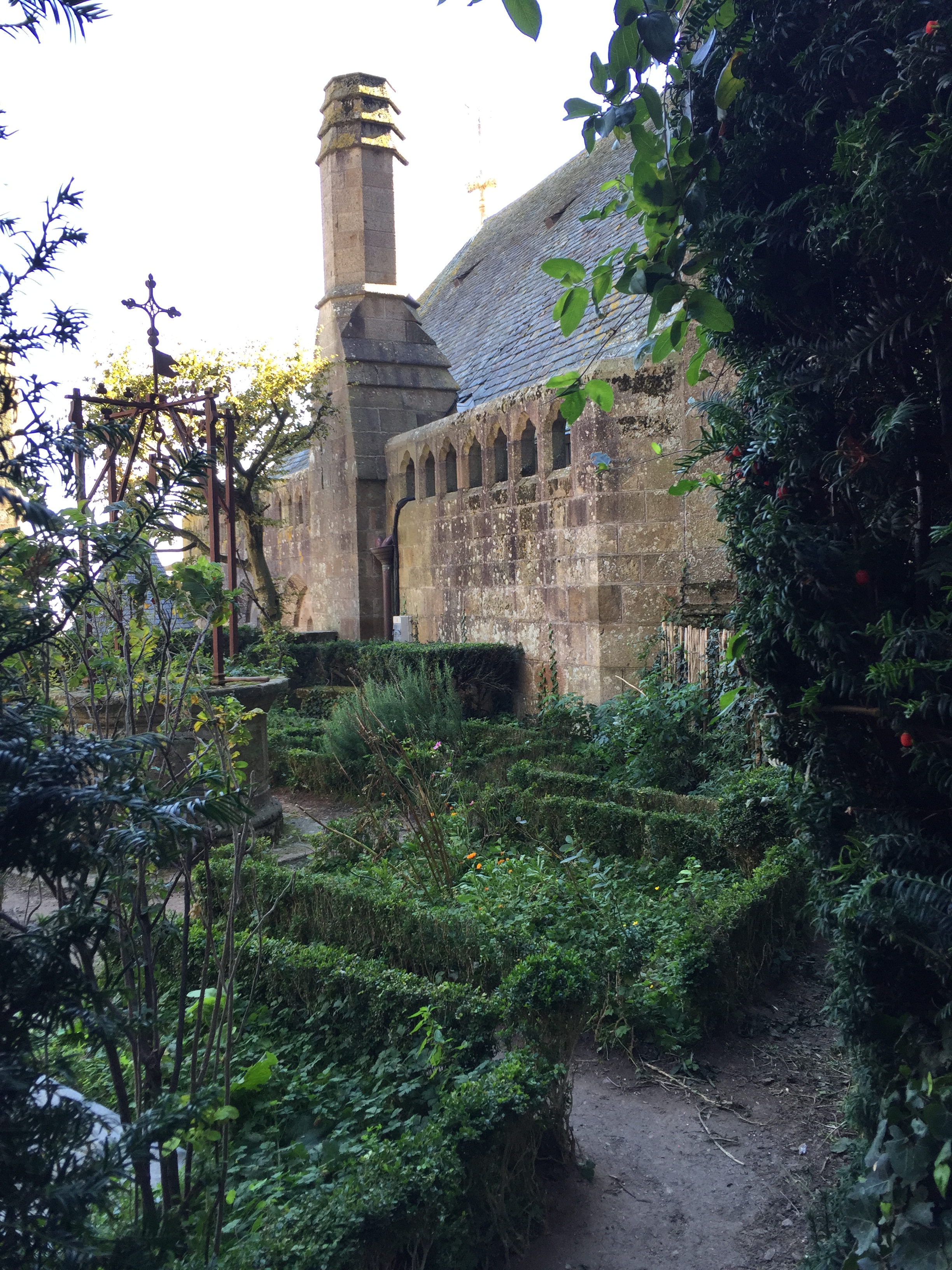
A secret garden on the summit

It was time to head down and conquer more stairs. We bribed the boys with promises of sustenance. At the bottom of the hill Little WB begged for a return ride on a horse drawn carriage – he made it half way back before falling fast asleep, tired out from our adventures.
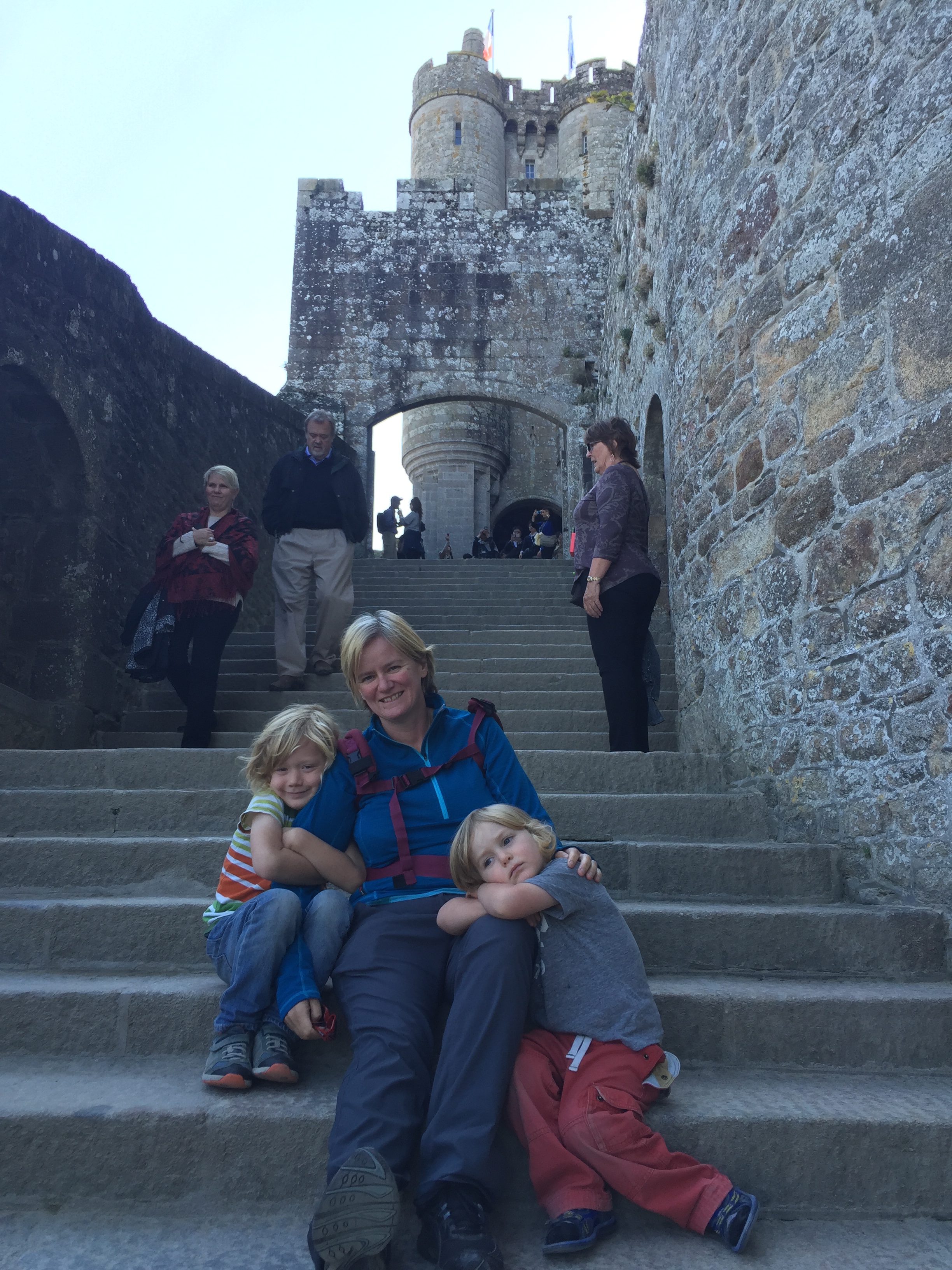
The descent begins
The descent begins
More twisty streets
More twisty streets
IMG_5612
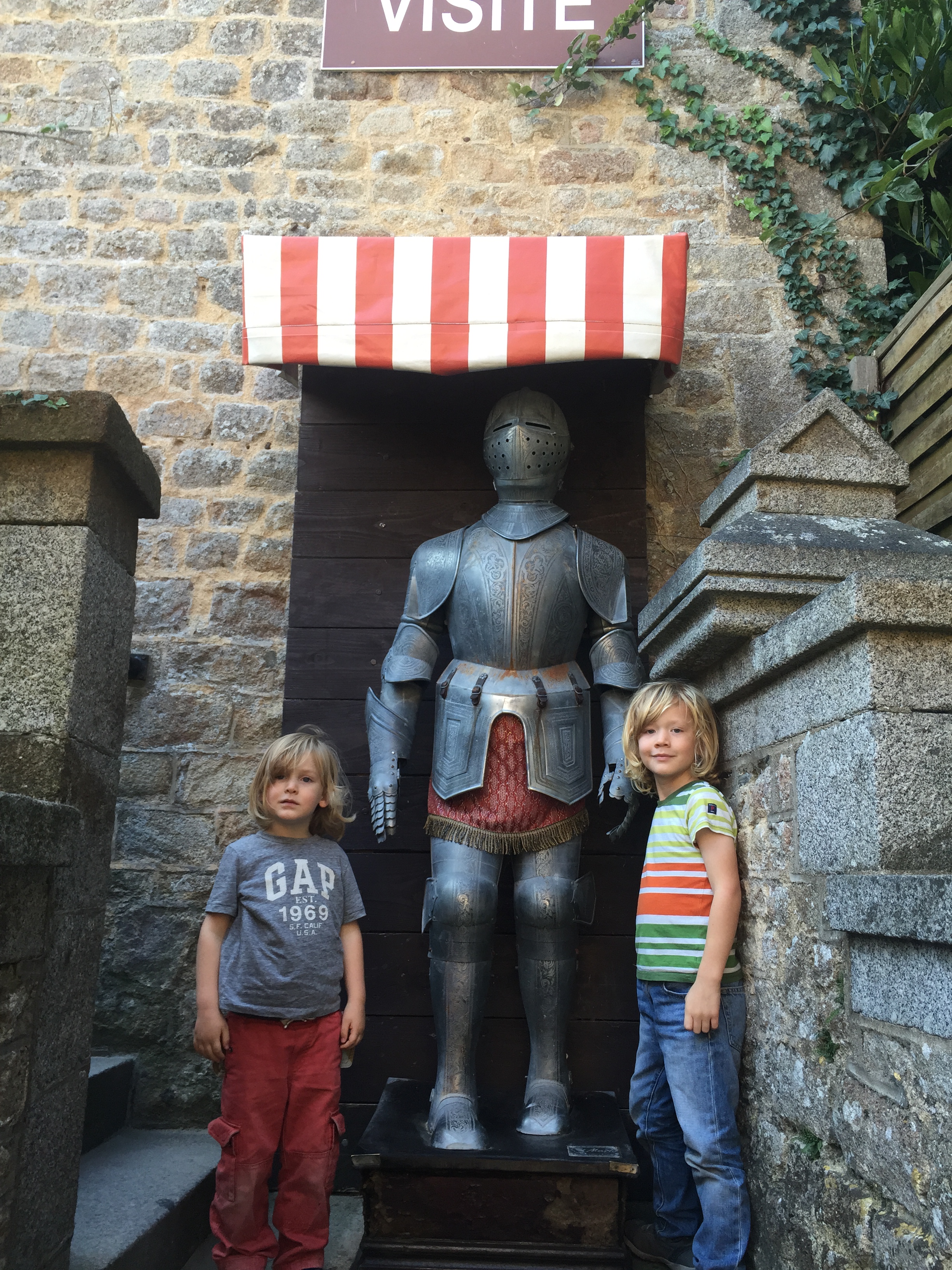
Just someone we met on the way down
IMG_5613
Our horse and carriage

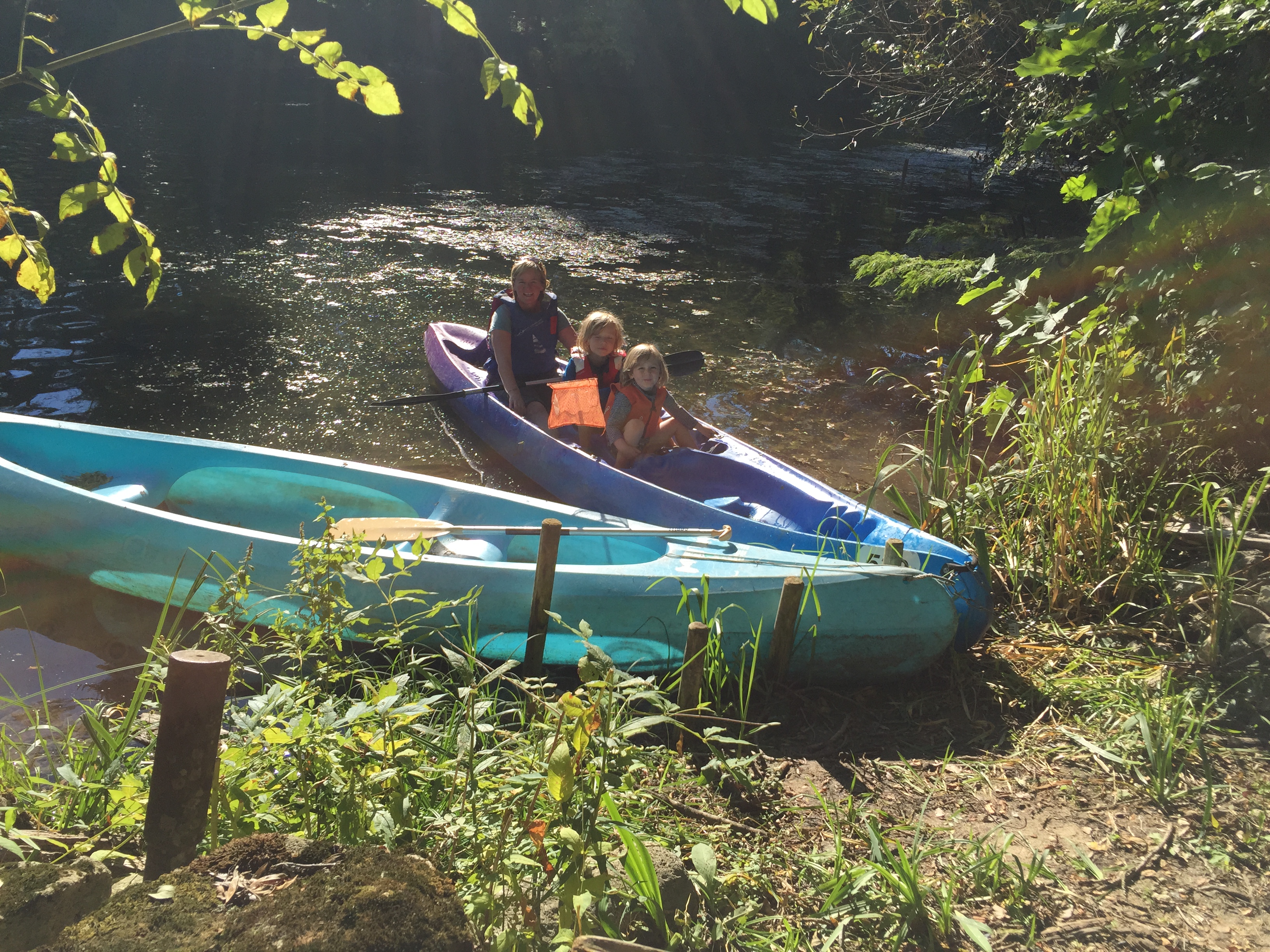
Canoeing on the River Indre

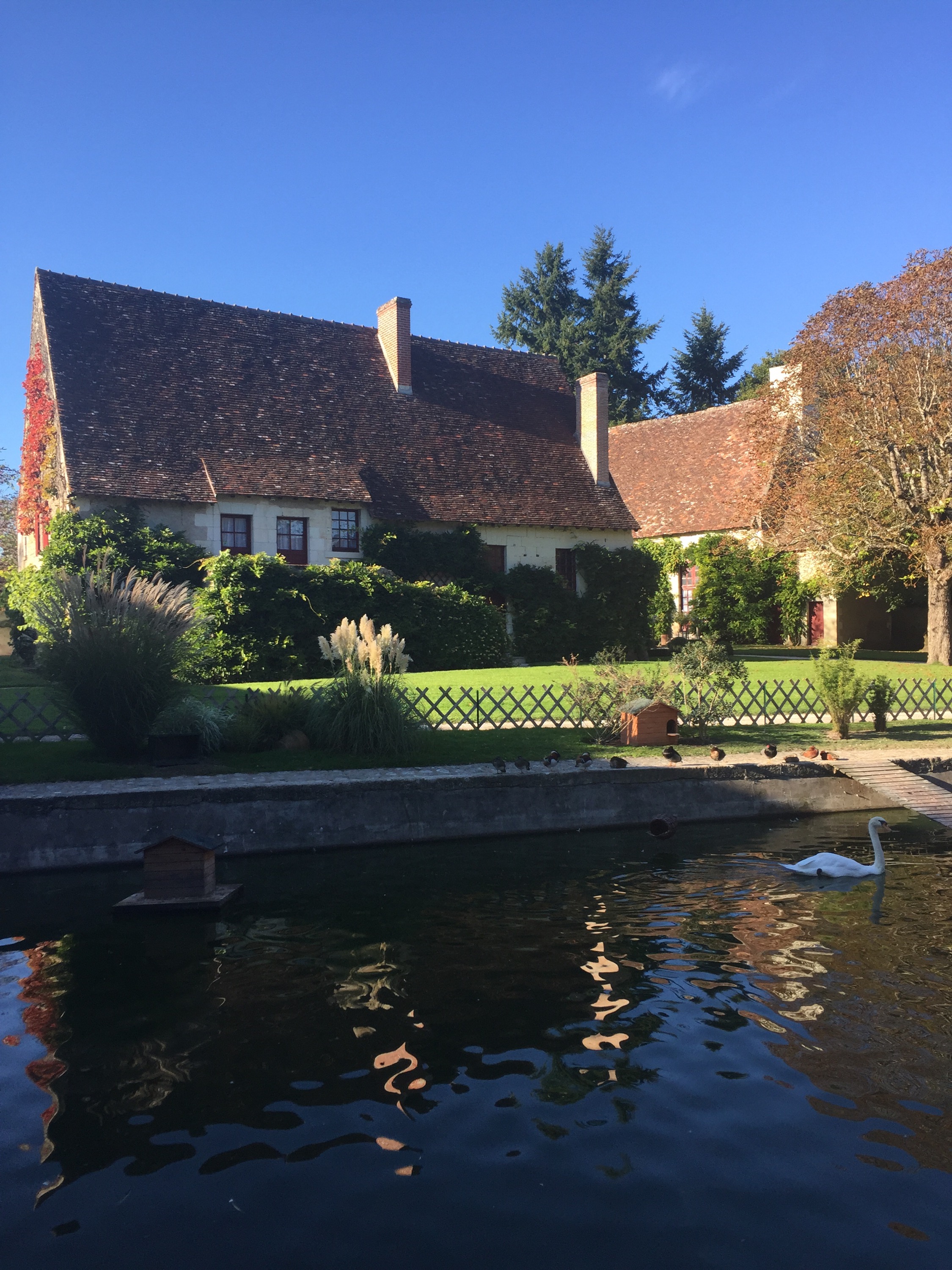
After torturing the WBBs with historical monuments we decided to let them roam free on our last day in the Loire Valley. We were staying in a charming old mill on the banks of the River Indre and the boys enjoyed fishing in the river and exploring the large, tangled garden, full of apple trees, brambles, pet guinea pigs and an old swing set. Two canoes were available for our use and the boys had been begging to go out on the river, so we decked everyone out in life jackets and set off. Unanimously deciding to avoid the waterfall next to the mill, we headed upstream and had a wonderful time spotting birds and interesting things on the banks of the river. It was a lovely tranquil day and the perfect antidote to a hectic sightseeing agenda. No more Châteaux for us!

canoeing
Ready to go!
snuggles
Enjoying the peaceful garden at Le Moulin de Monts

Leonardo’s Machine Gun

We went to the Loire because.. well, we’d never been and we wanted to see what all the fuss was about. We’d heard that it was very beautiful; we knew it was very famous; we thought we might take in a Château or two.

A friend had mentioned that the Loire Valley is also full of nuclear reactors. Sure enough, as we drove into the region we were greeted by this forbidding sight:

IMG_4356
Welcome to the Loire Valley

There are seemingly hundreds of Châteaux and other interesting sights to see in the Loire. Realising that our three-day stopover would be pathetically inadequate, we ruthlessly narrowed our choices down to two key monuments.

First on our list was Leonardo da Vinci’s last home, the Château du Clos Lucé. This charming mansion was owned by Francis 1, who in 1516 invited Leonardo to live there on a pension of 1,000 gold crowns per annum and bestowed upon him the title of ‘King’s First Painter, Engineer and Architect’. Leonardo found the King’s offer too good to refuse: he promptly crossed over the alps on the back of a mule, with his three best paintings (including the Mona Lisa) rolled up in his saddle bags, and lived happily in the Château until his death three years later.

The Château du Clos Lucé

While the Château itself is very beautiful, the main attraction (for us) was the Model Room containing working replicas of Da Vinci’s many inventions. It was astonishing to see the many devices Leonardo conceived which could not be realised for centuries afterwards as the necessary materials did not yet exist – for example: a parachute, a flying machine, a car.

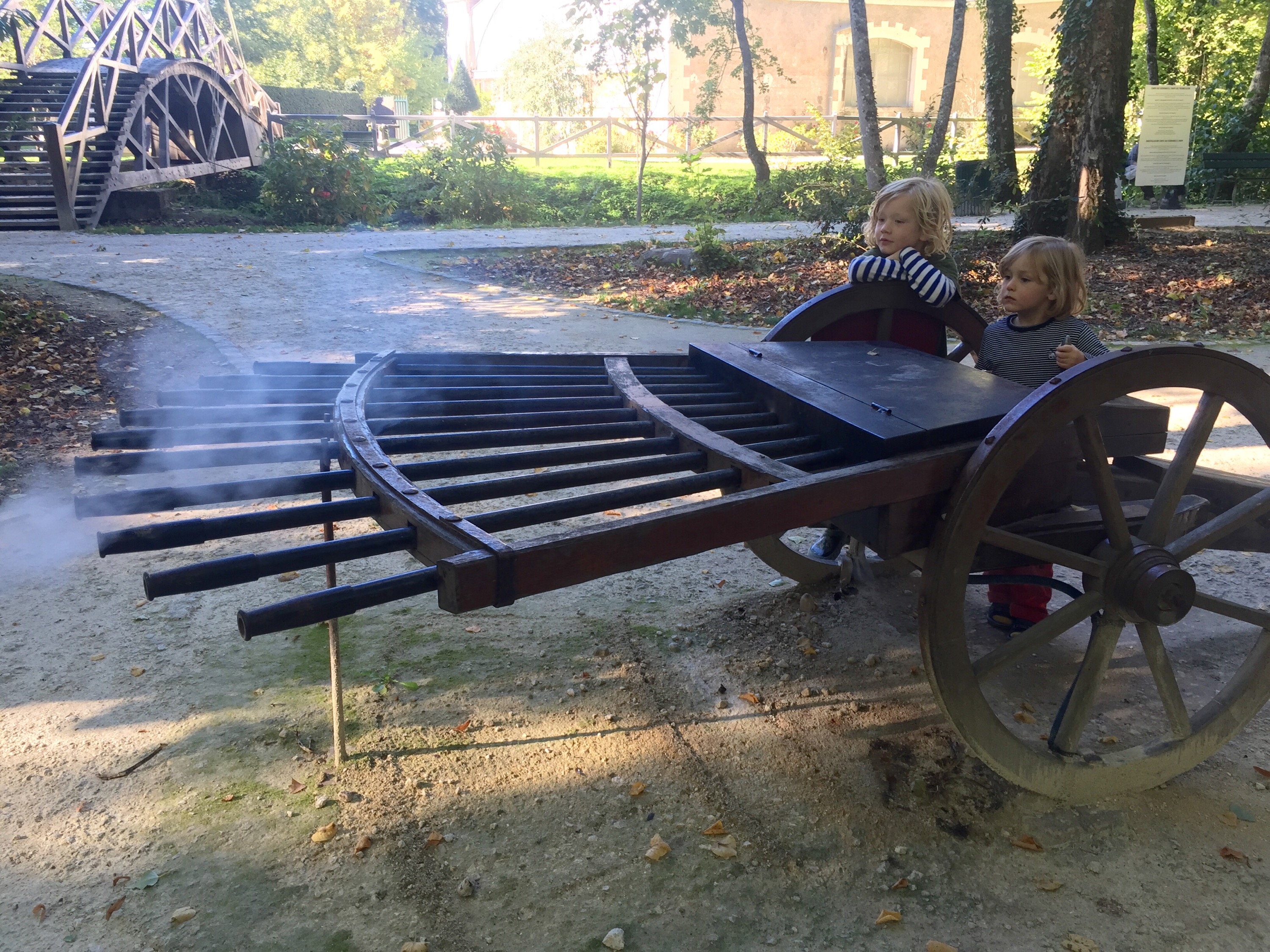
There are 20 or so giant interactive machines scattered through the grounds and the boys had great fun with these. They were able to turn paddle wheels, rotate gyroscopes and clamber over extraordinary objects. Probably the best fun was to be had working the fan- shaped machine gun which let out some very loud bangs and a puff of smoke; little WB jumped a mile and big WB was delighted.

It goes bang!

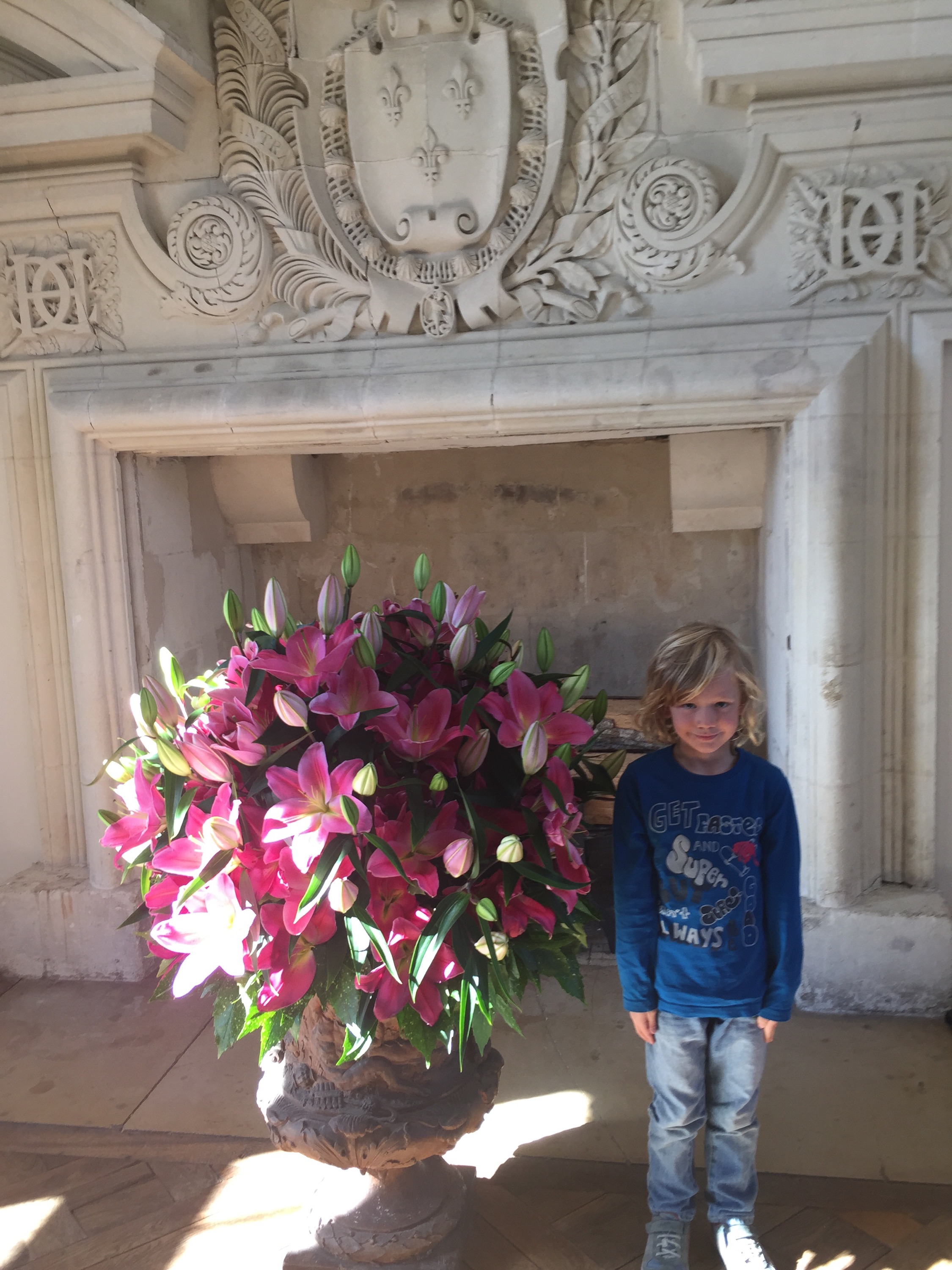
Our next stop was the famous Château de Chenonceau, a much grander residence on the River Cher. This is the most visited palace in France after Versailles. It’s been beautifully restored and maintained and every room is decorated with fresh flowers from their own gardens. The WB mamas were very interested in the history of the house – the Château actually spans the river Cher and, during World War II, the Résistance smuggled many people through the Château from the Nazi occupied zone at the front door to the ‘free’ zone at the rear, on the opposite bank.
Trespassing on the grass at Chenonceau
Farmyard at Chenonceau
The floral display is taller than him

Oradour-sur-Glane

We heard about Oradour by way of a chance encounter with an Englishman living in Montignac, and decided to stop there en route to the Loire Valley.

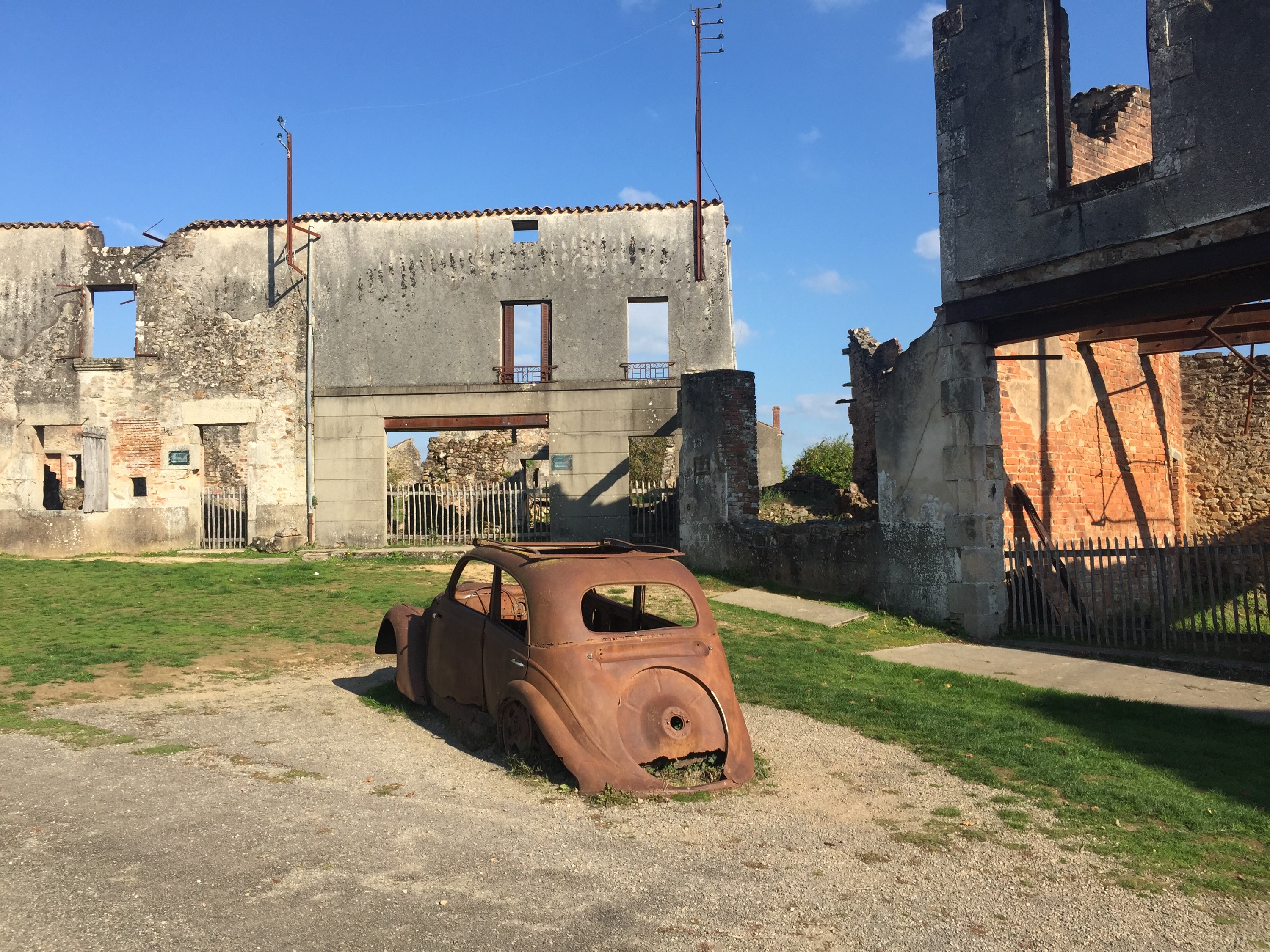
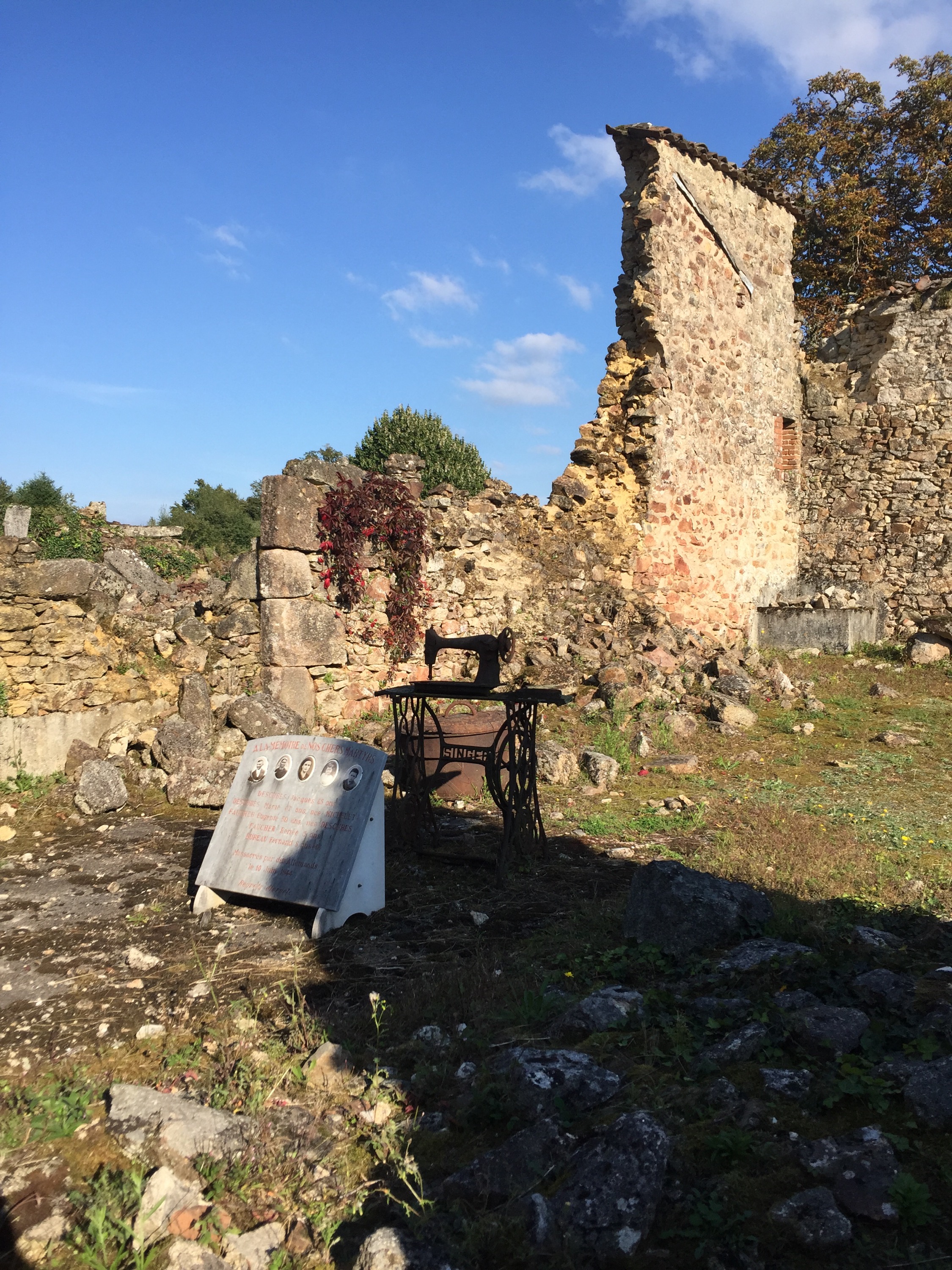
The old village of Oradour-sur-Glane was small but thriving, renowned for nothing in particular until a troop of Nazi soldiers destroyed it in June 1944. For reasons still not understood – Oradour was hardly a hotbed of the Resistance – the soldiers massacred the entire village, looted the buildings and then set them on fire. The atrocities were particularly horrible: men were taken into barns and shot in the legs, then set alight. Women and children were herded into the church and then burned alive (this took a long time as the initial incendiary device failed.) A baby was baked to death in an oven. 642 people died; only a handful of survivors escaped to tell their stories, and the rest of the tale was deciphered by French aid workers and people from the local area who searched the ruins trying to find their relatives, piecing together the grisly evidence. We were particularly moved by stories of parents who came looking for their little children who had been at school that day. Oradour had several schools and in each one, bags and coats were to be found hanging in place on their hooks, but the children had all been massacred.

The old  village was never rebuilt. Charles de Gaulle ordered that it be preserved as the soldiers left it; it serves as both a memorial to the fallen and an immensely sad reminder of what the human race continues to be capable of.


Remains of a car in Oradour-sur-Glane


Skeletal sewing machine inside a ruined house


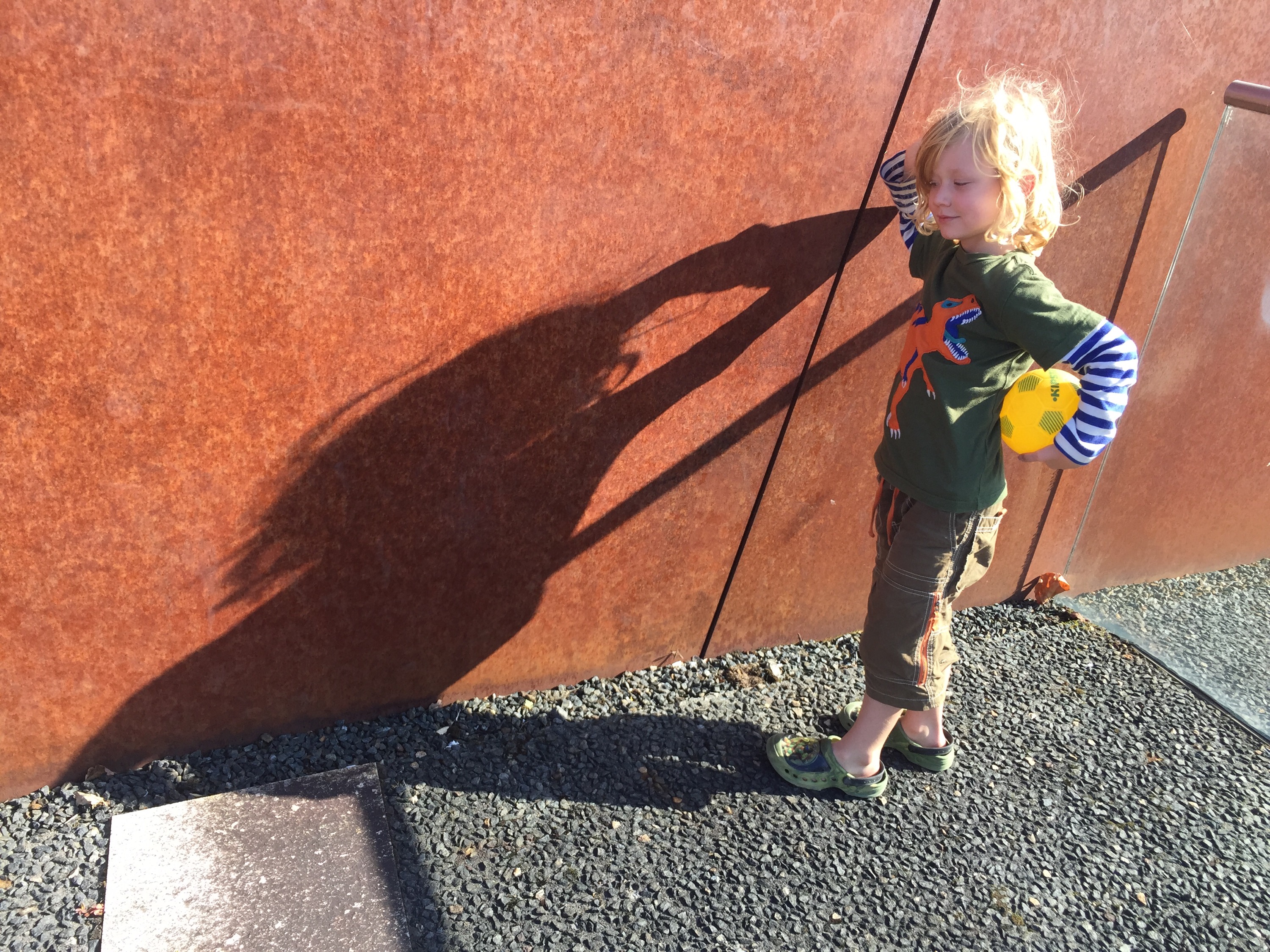
Conversation with shadows at the Centre de la Mémoire


Sarlat Days

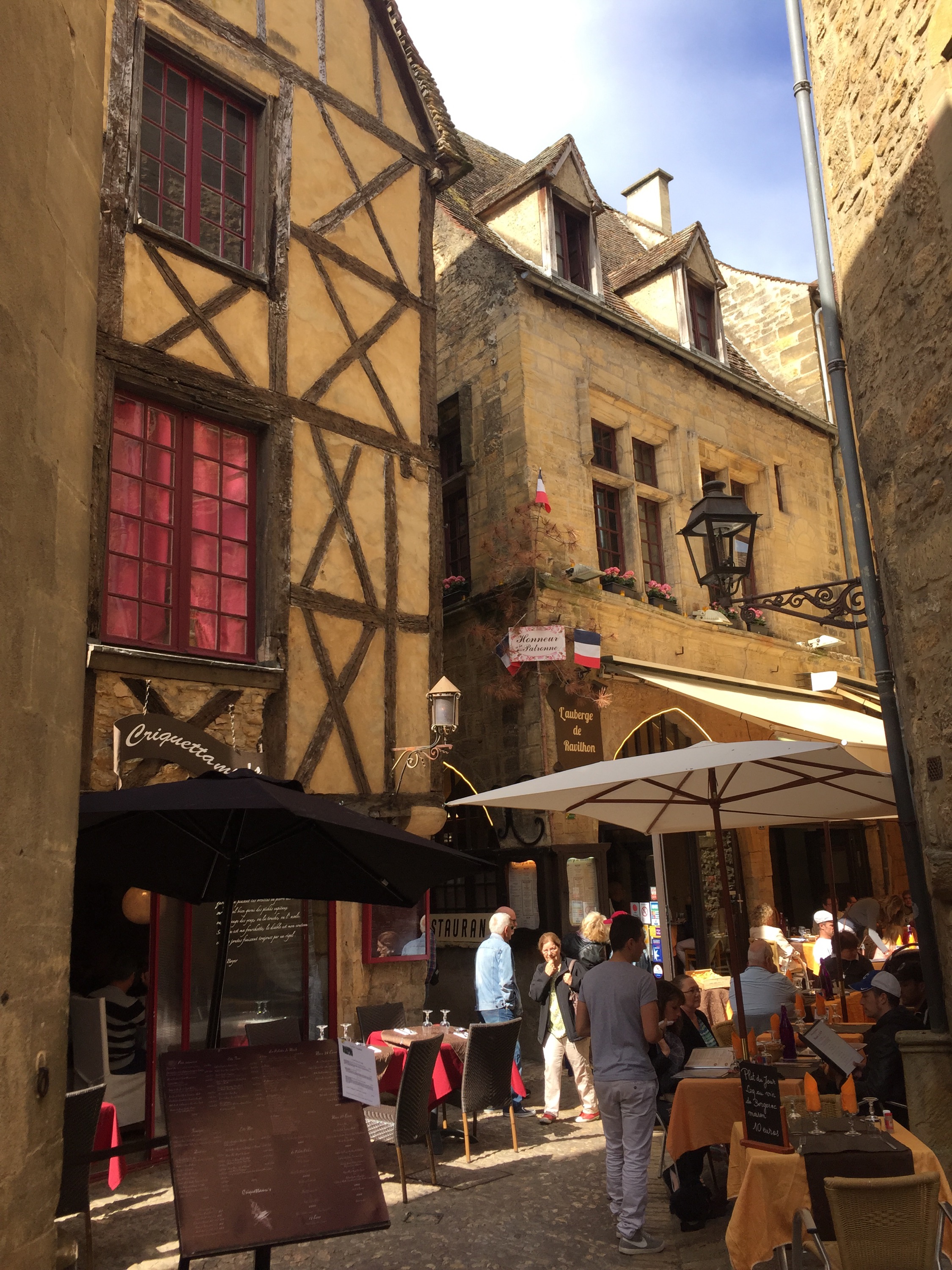
We had some great days out visiting local towns like Sarlat-la-Canéda, fishing in the Vézère river and generally enjoying ourselves. The Dordogne is one of the most-visited areas in France and we can see why: if we have a chance we will definitely return one day.

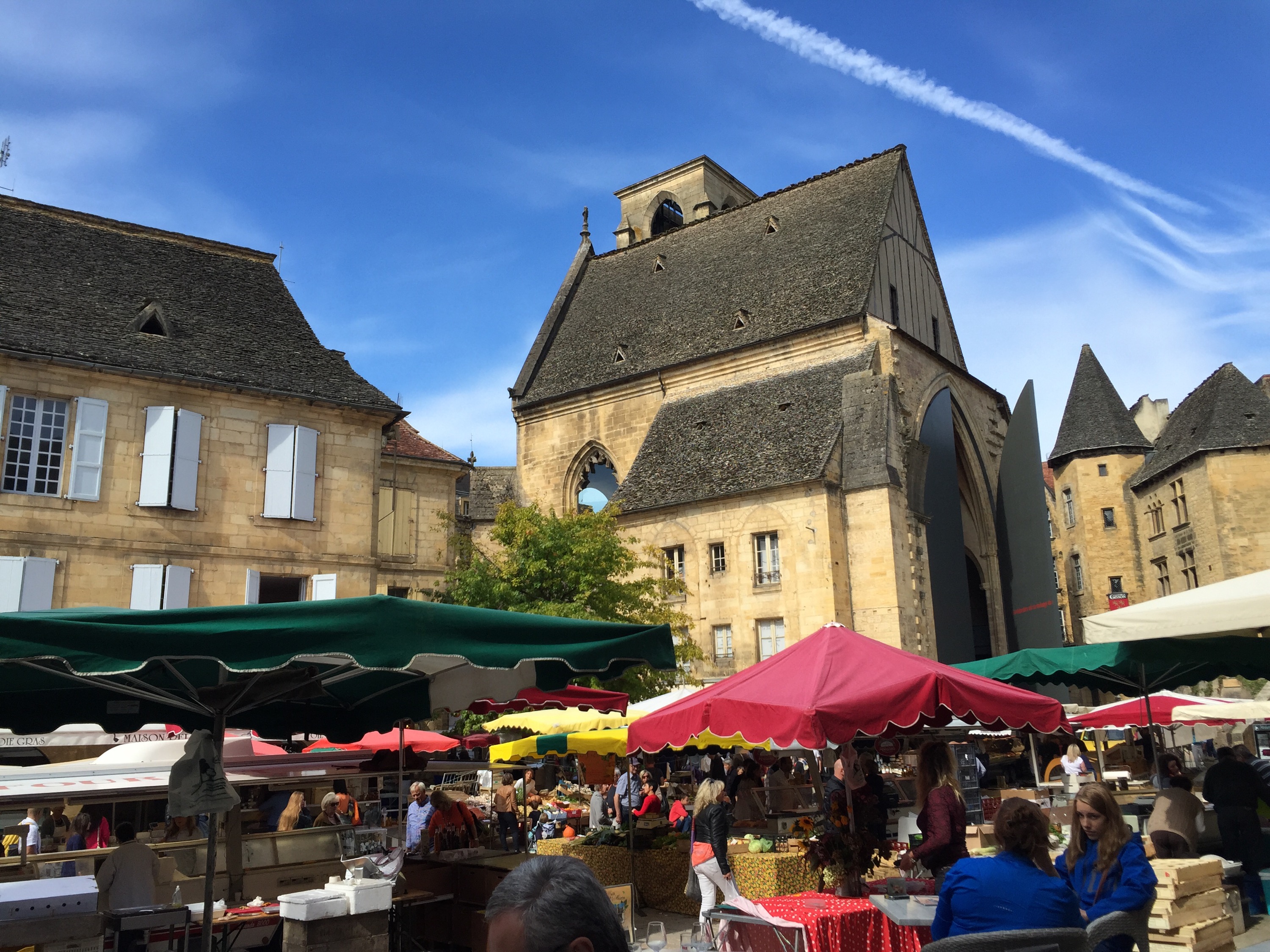
Sarlat-la-Canéda market place


Sarlat-la-Canéda


IMG_4454
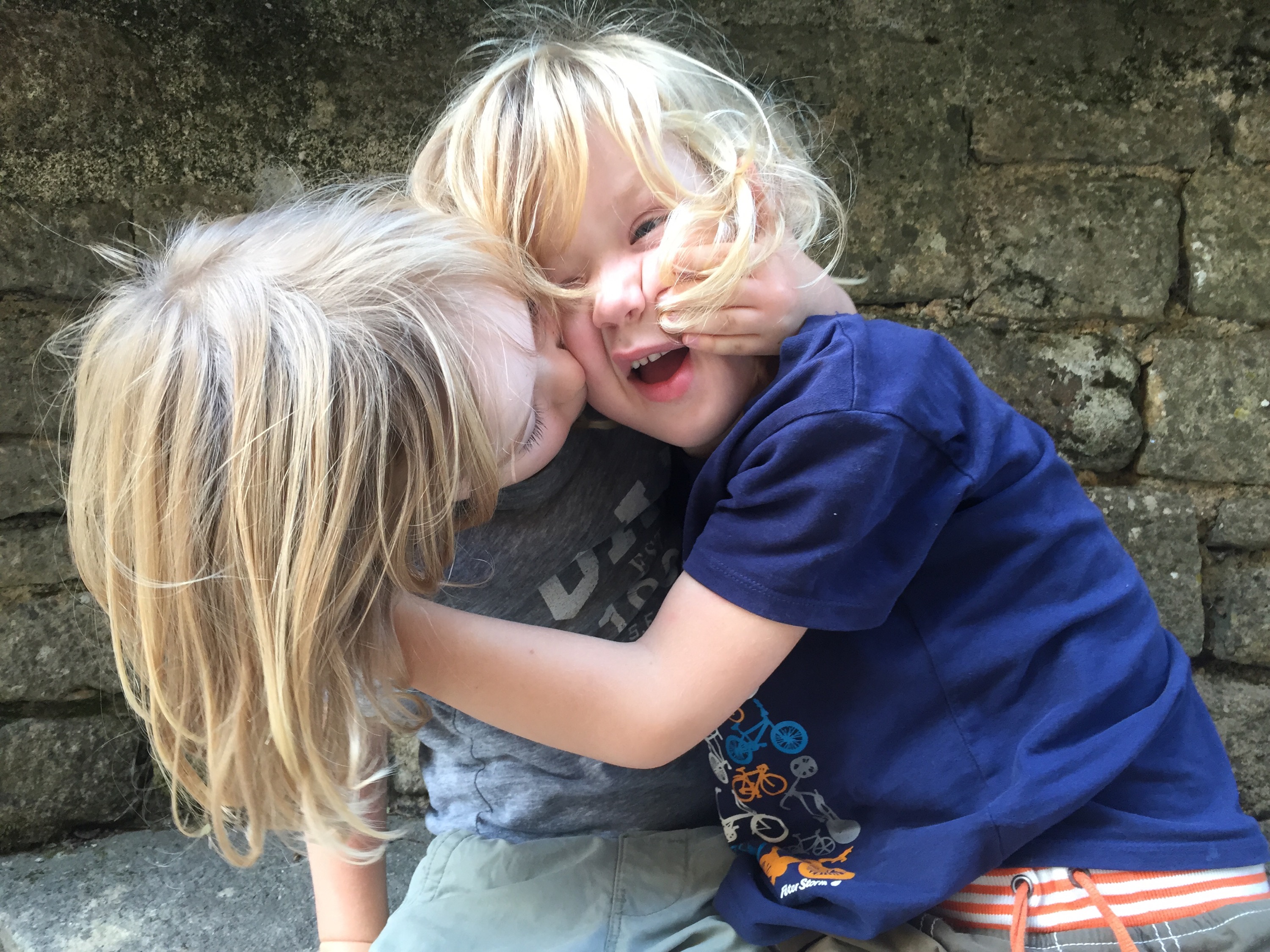
Friends…
…fiends


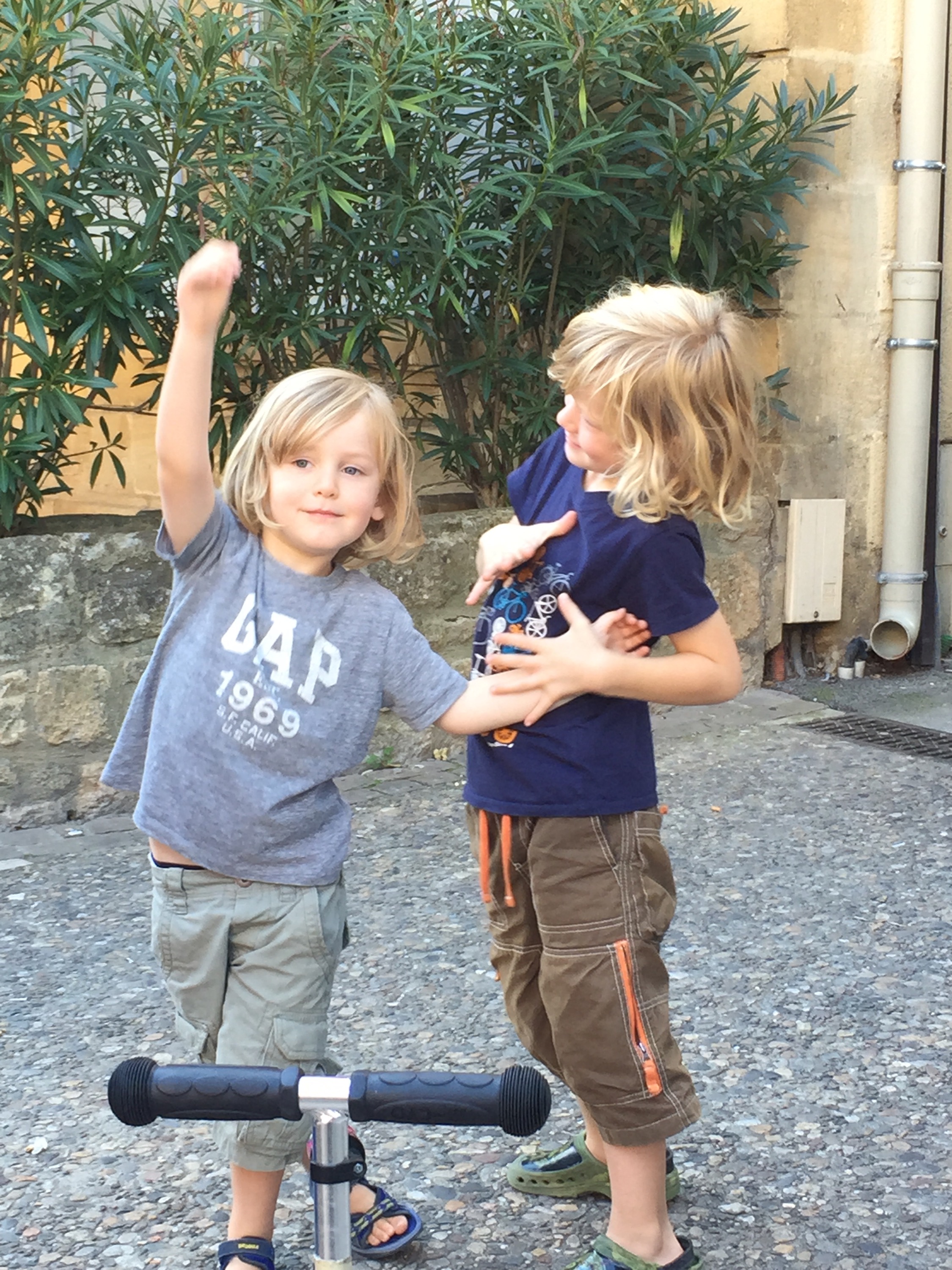
First we listen


Now for some crazy dancing


In Paradise

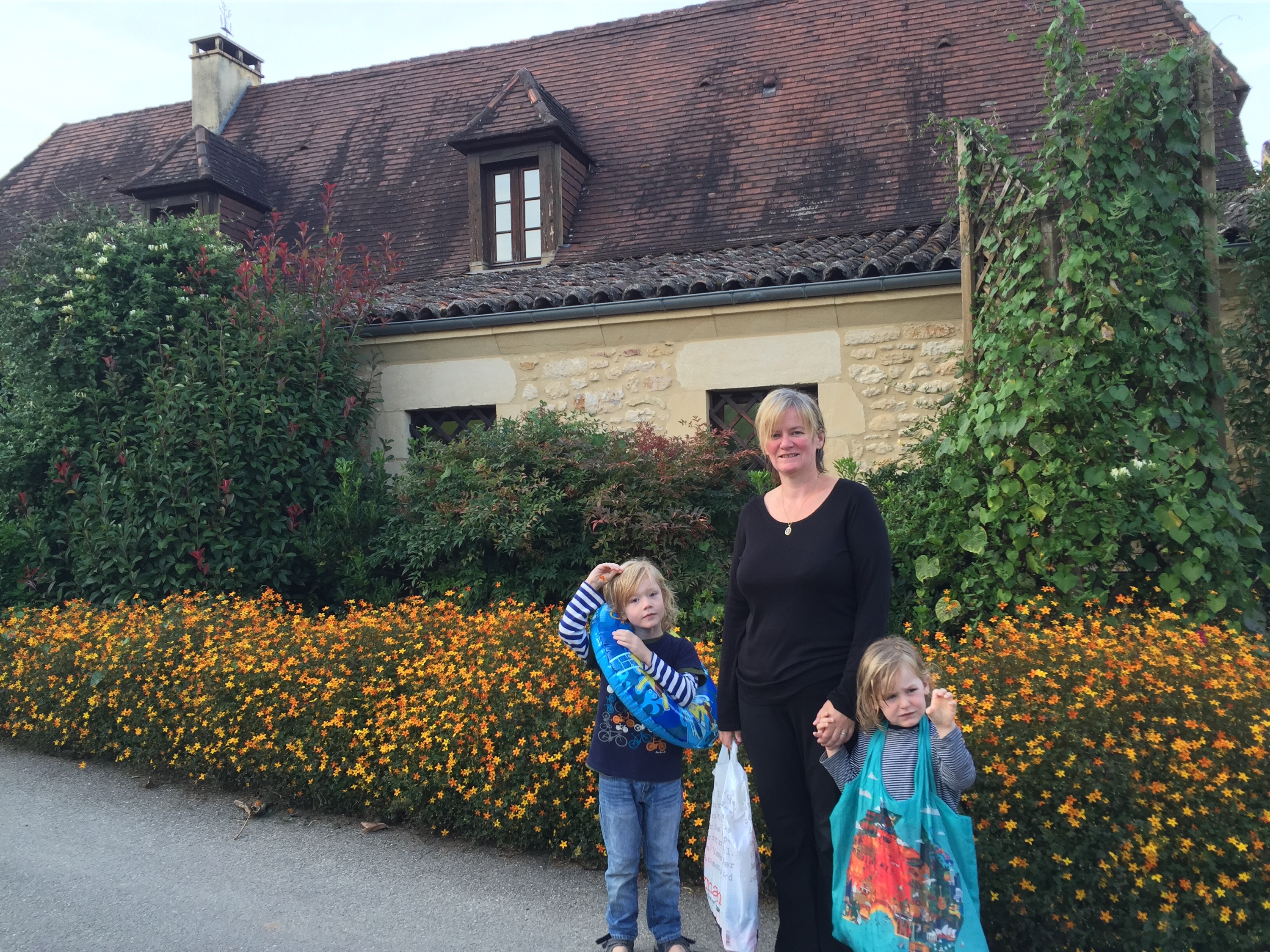
An honourable mention should go to Camping Le Paradis. The various places we’ve stayed in on our trip deserve a blog of their own, but our stay at Camping Le Paradis did feel – well – heavenly.

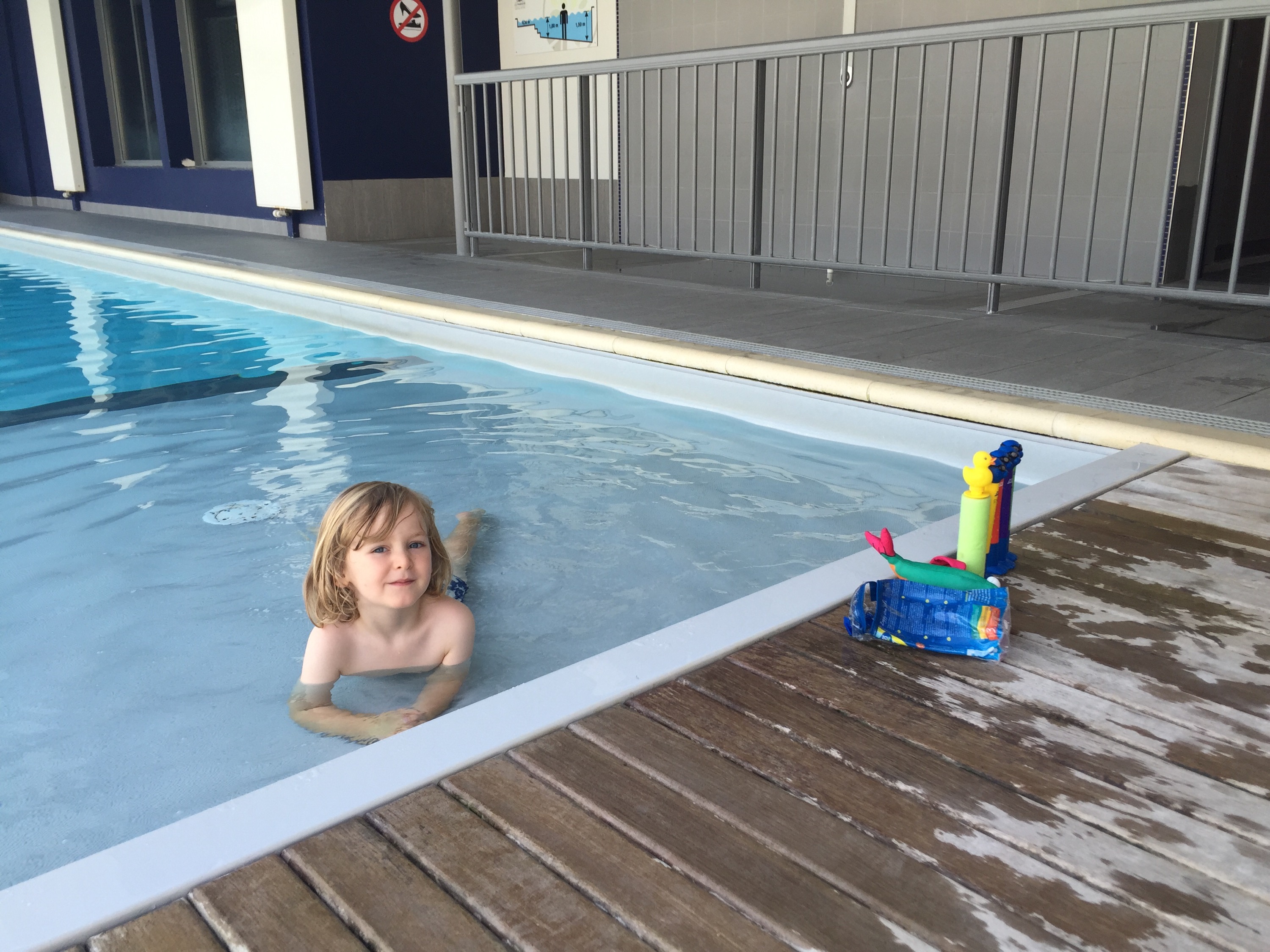
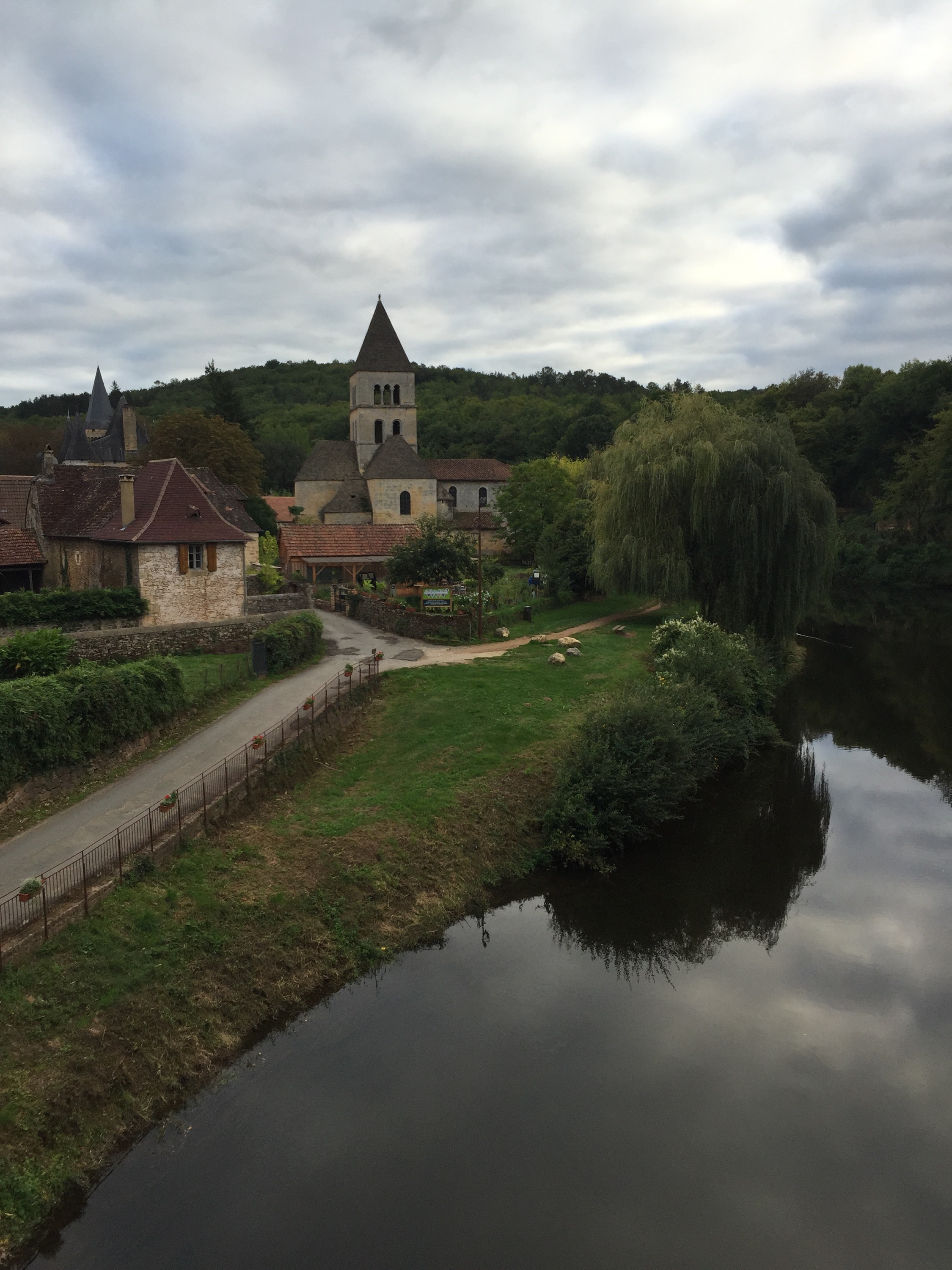
The site is run by a Dutch couple and has a very special feel. It’s off to a good start since it is located in the beautiful Dordogne region near the picture-perfect village of Saint-Léon-sur-Vézère. The landscaping is absolutely stunning and there was a riot of flowers and edible herbs throughout. We had the benefit of staying in the off-season so there were few other people in the park. It felt as though we were some sort of landed gentry with a massive estate at our disposal – the children cycled freely around without fear of other cars; ran riot in the well-equipped playground; and we had the brand new indoor heated swimming pool and spa practically all to ourselves.

We chose to stay in a very snug little cabin due to the cooler autumn weather. The whole thing had a luxurious feel and even better we had UK satellite TV! The children hadn’t seen any television in English for over two months, so they enjoyed Peppa Pig and we forced them to watch the inaugural show of Strictly Come Dancing followed by (after they had gone to bed) the Graham Norton Show. And we don’t even watch TV.


Our very own pool


St. Léon-sur-Vézère


Restaurante Le Paradis


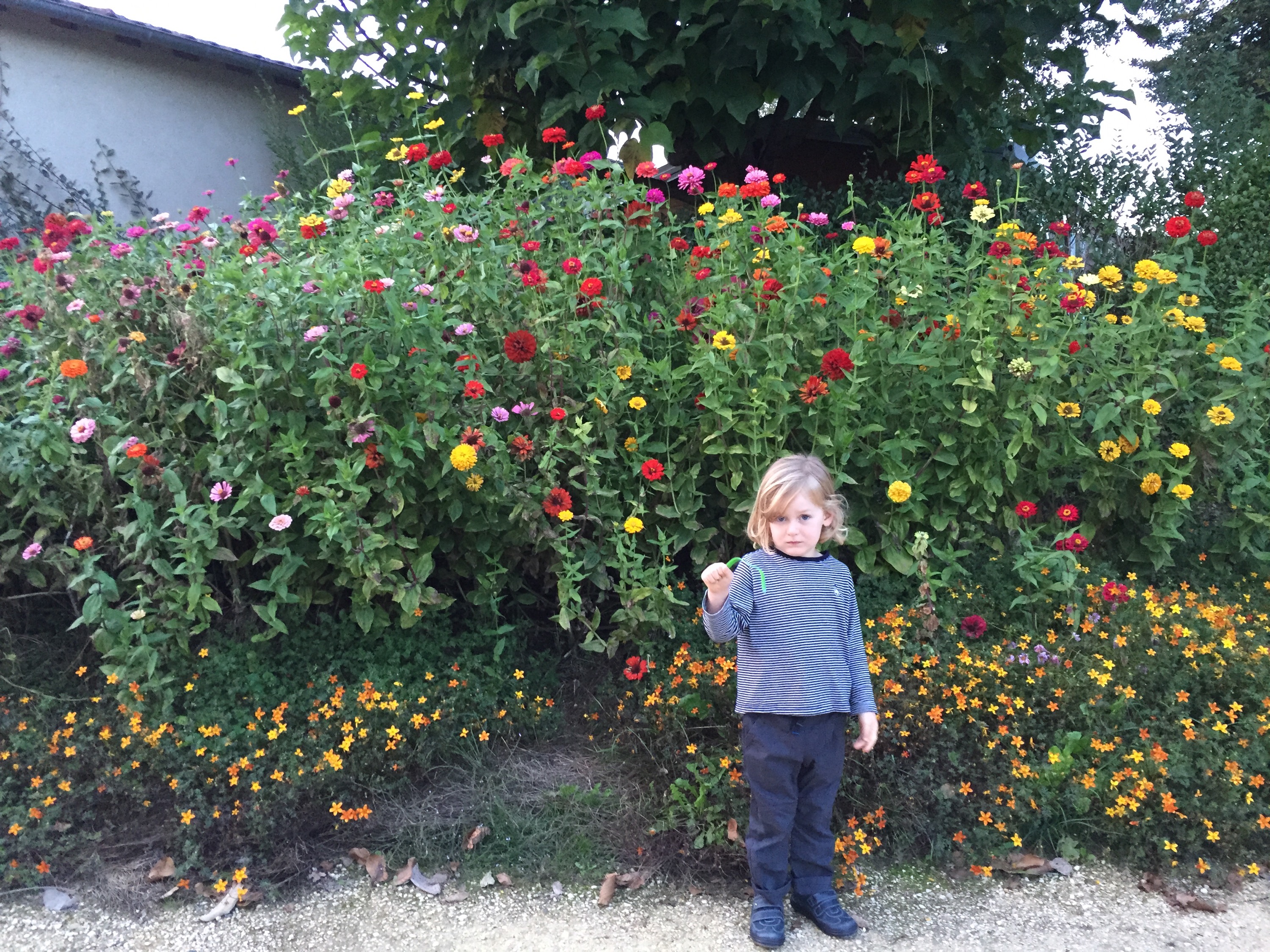
Flower Boy


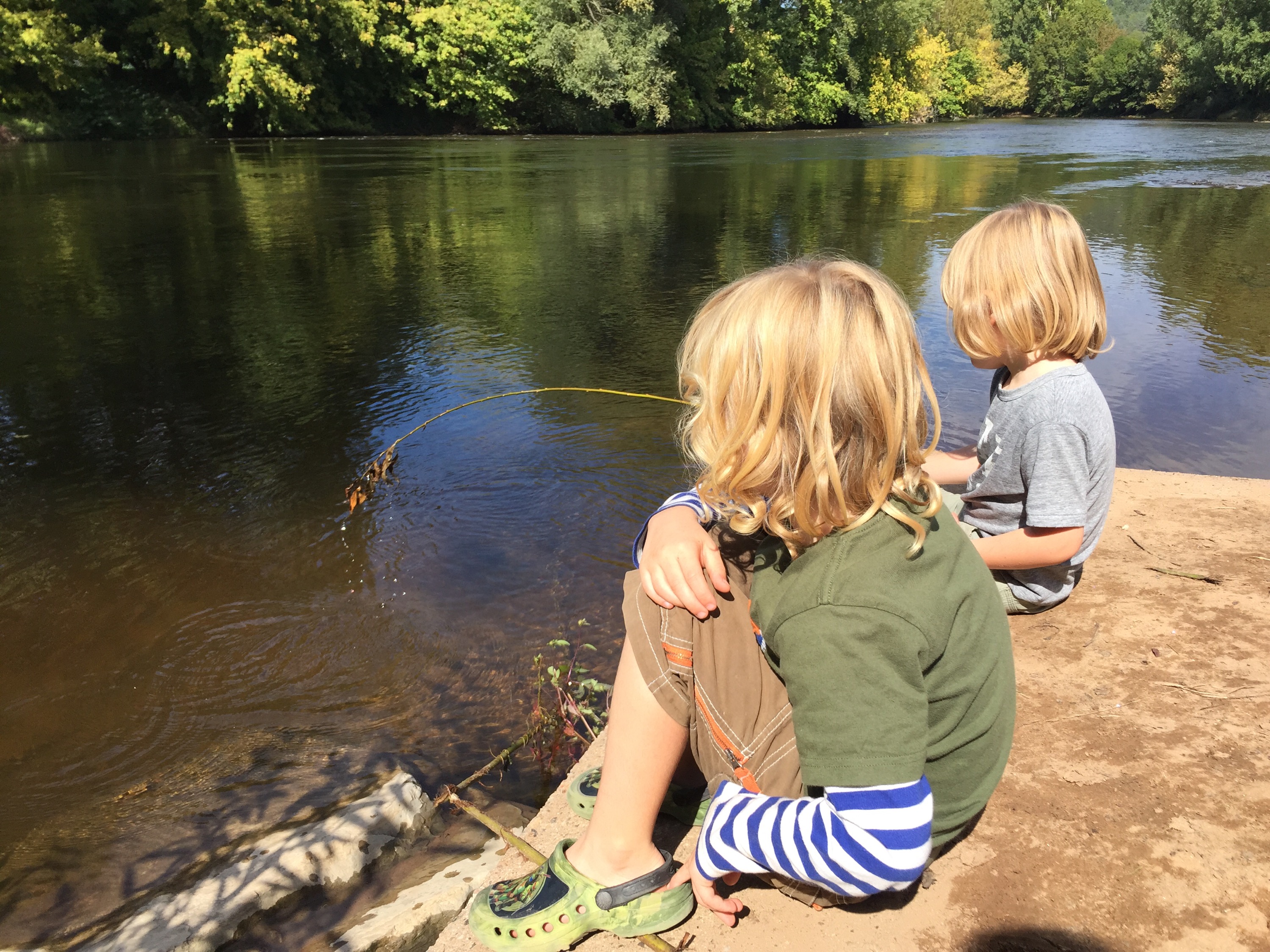
Fishing in the Vézère


Wild Boys skipping off into the distance


It’s a hard life


Troglodytes and Painted Caves

Hidden away in the Vézère Valley are a number of ancient caves featuring Paleolithic paintings, including the famous Lascaux Cave. After much research we decided to visit the Grotte de Rouffignac which was recommended as being the easiest to manage with small children. The paintings in this cave are over two kilometres underground so the owners of the site have installed an electric train to carry visitors directly to the artwork. We felt this would be a much better option than lugging the smallest WB (who weighs as much as 2 large sacks of potatoes) through dark rocky tunnels and meant the boys would also have fun riding on the train as a bonus.

The cave proved to be a fantastic experience and the boys handled it well (although little WB wasn’t so keen on being in the dark and had to be distracted with a lengthy description of what we would be having for our picnic lunch later). 

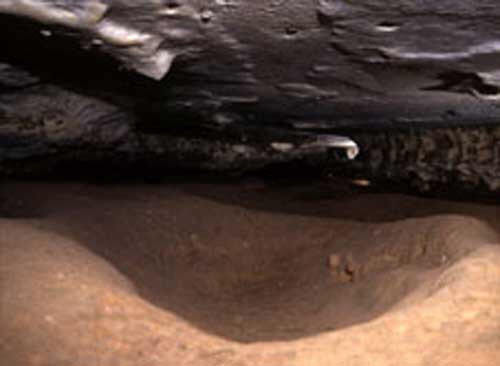
The tour was in French but we were able to decipher a lot between our rudimentary translations and with the help of the supplied English video guide. We travelled past multiple scratches and nests left behind by numerous cave bears who used to live in this cave – although our guide explained that the bears had moved on long before humans arrived (and had never returned, we assured the boys). And the paintings – or, more accurately, drawings – were awe-inspiring.

Rouffignac is also known as ‘the Cave of 100 Mammoths’ as it contains over 150 depictions of mammoths – a third of all representations across the entire collection of known Western European caves. In addition to mammoth we saw horses, bison, rhinoceros and many others. The artists were extremely skilled and used natural rock formations to add texture to the animals, making them almost three-dimensional. It was the chance of a lifetime to see them especially as the paintings are fragile and visitor numbers are carefully controlled as a result. Several caves in the area (eg Lascaux) have already closed to the public to preserve the paintings and protect them from further damage, so we were extremely lucky to see these fabulous traces of ancient human culture.


Courtesy of La Grotte de Rouffignac


Cave Bear nest (courtesy of La Grotte de Rouffignac)


Two troglodytes


Horses (from another cave)


Vertical scratches left by cave bear claws


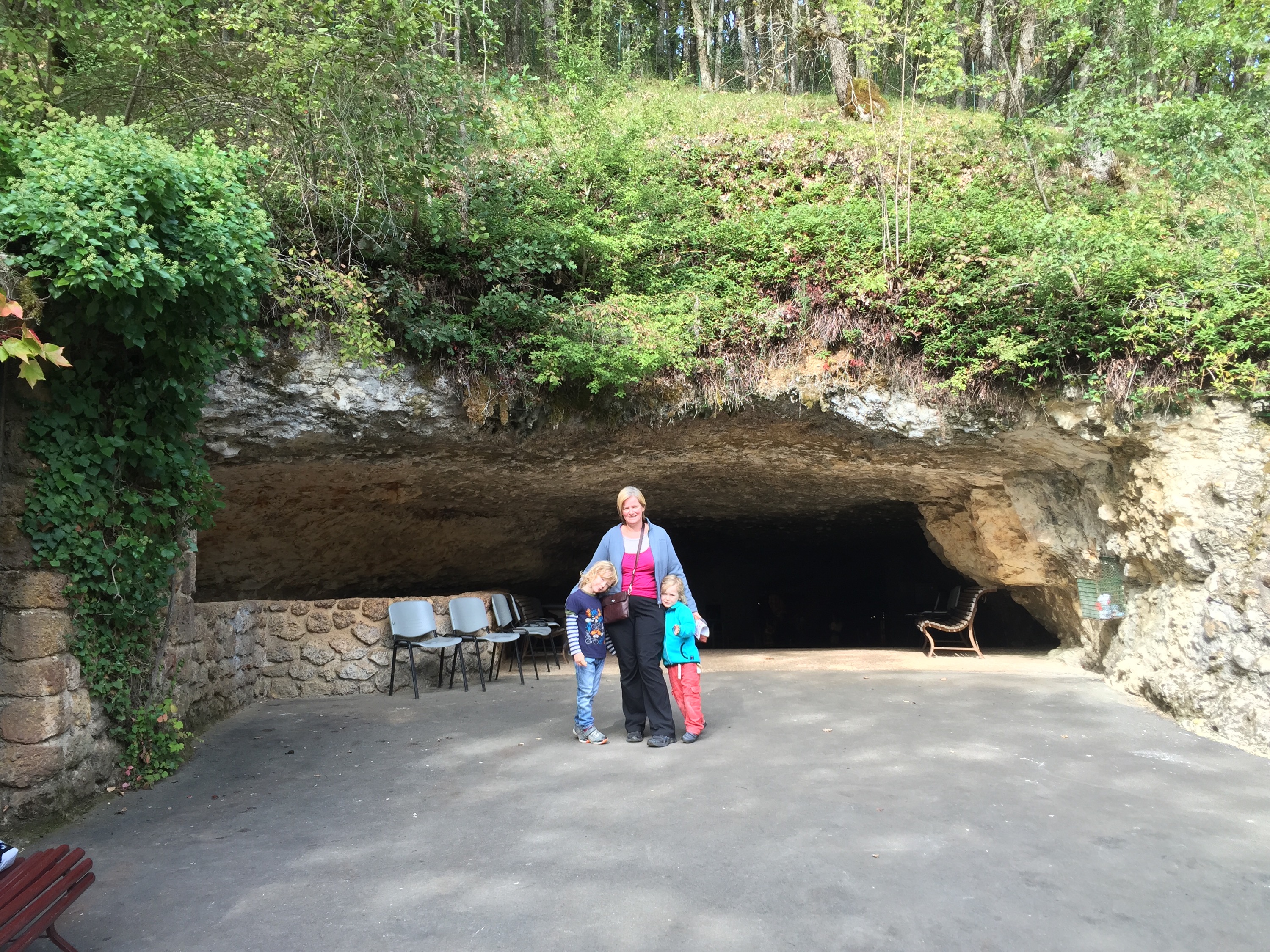
Outside the cave


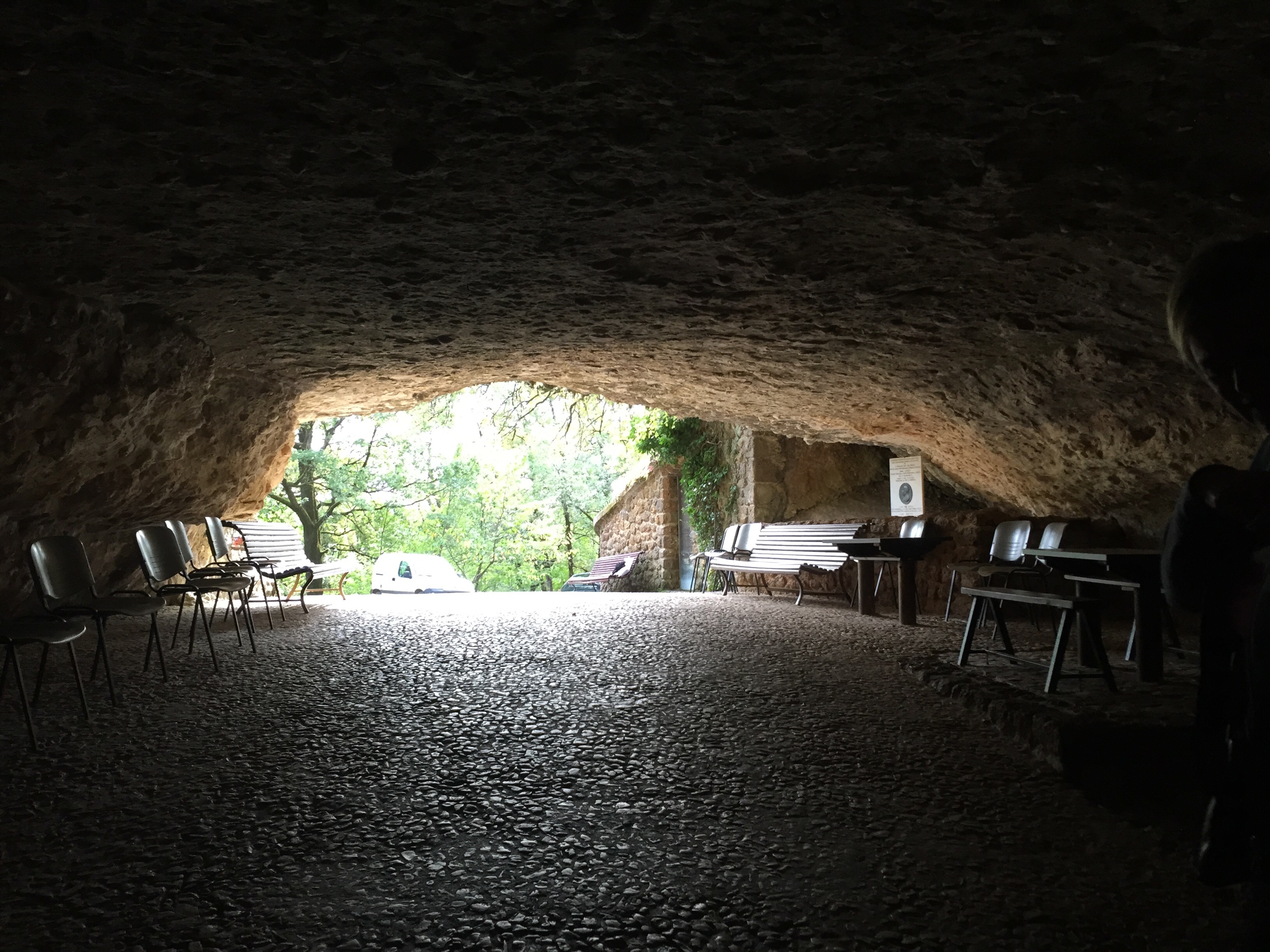
The mouth of the cave


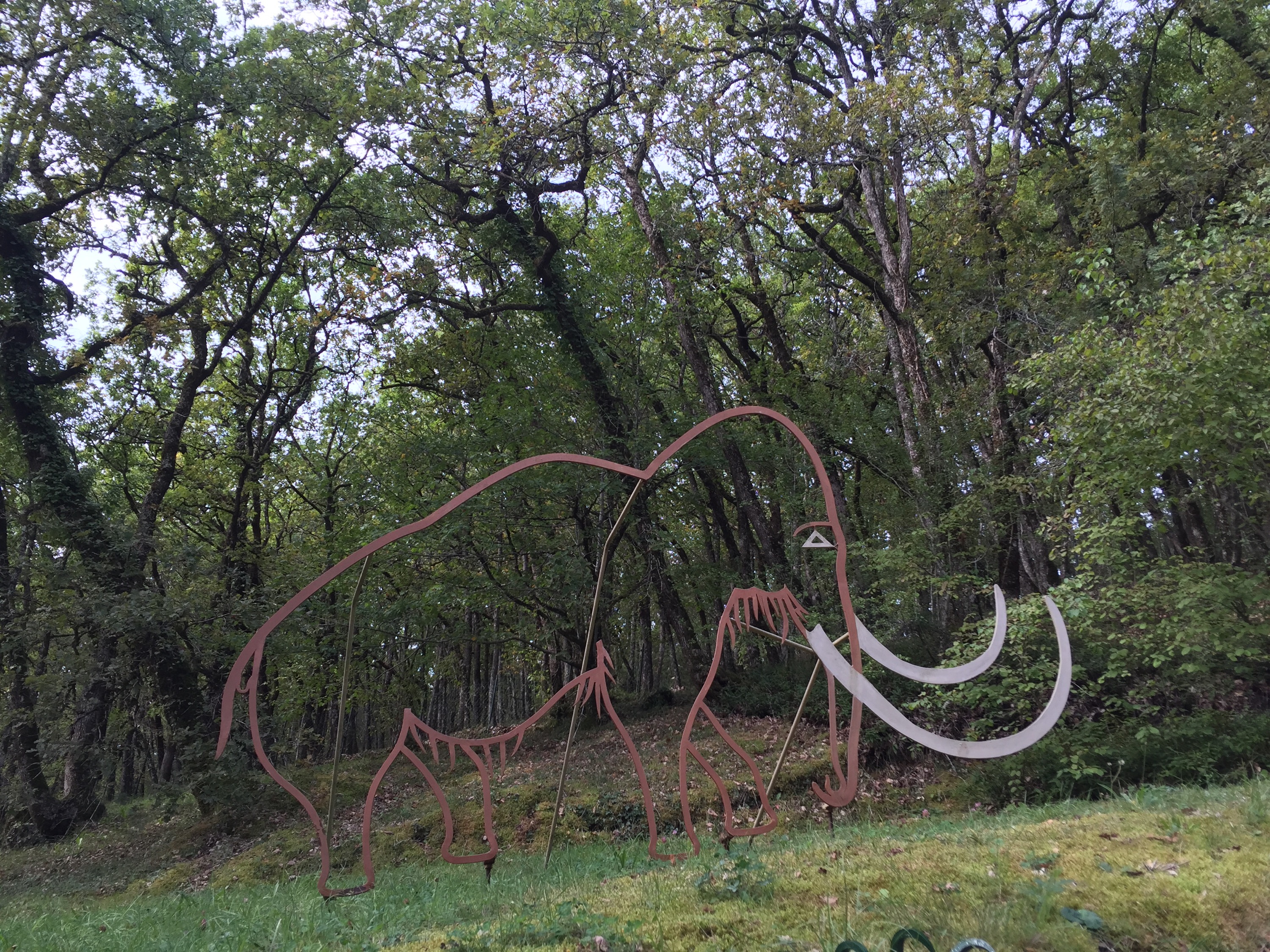
Mammoth outline


I want a troglodyte on our mailbox


Another Birthday

Our next stop was the region known officially as the Dordogne but (slightly confusingly) in common parlance as the Périgord. This ancient part of France is full of honey-coloured medieval villages, with an unbroken history of human settlement dating back over 15,000 years. The famous Prehistoric painted caves were on top of our agenda, but first there was another important occasion to celebrate.

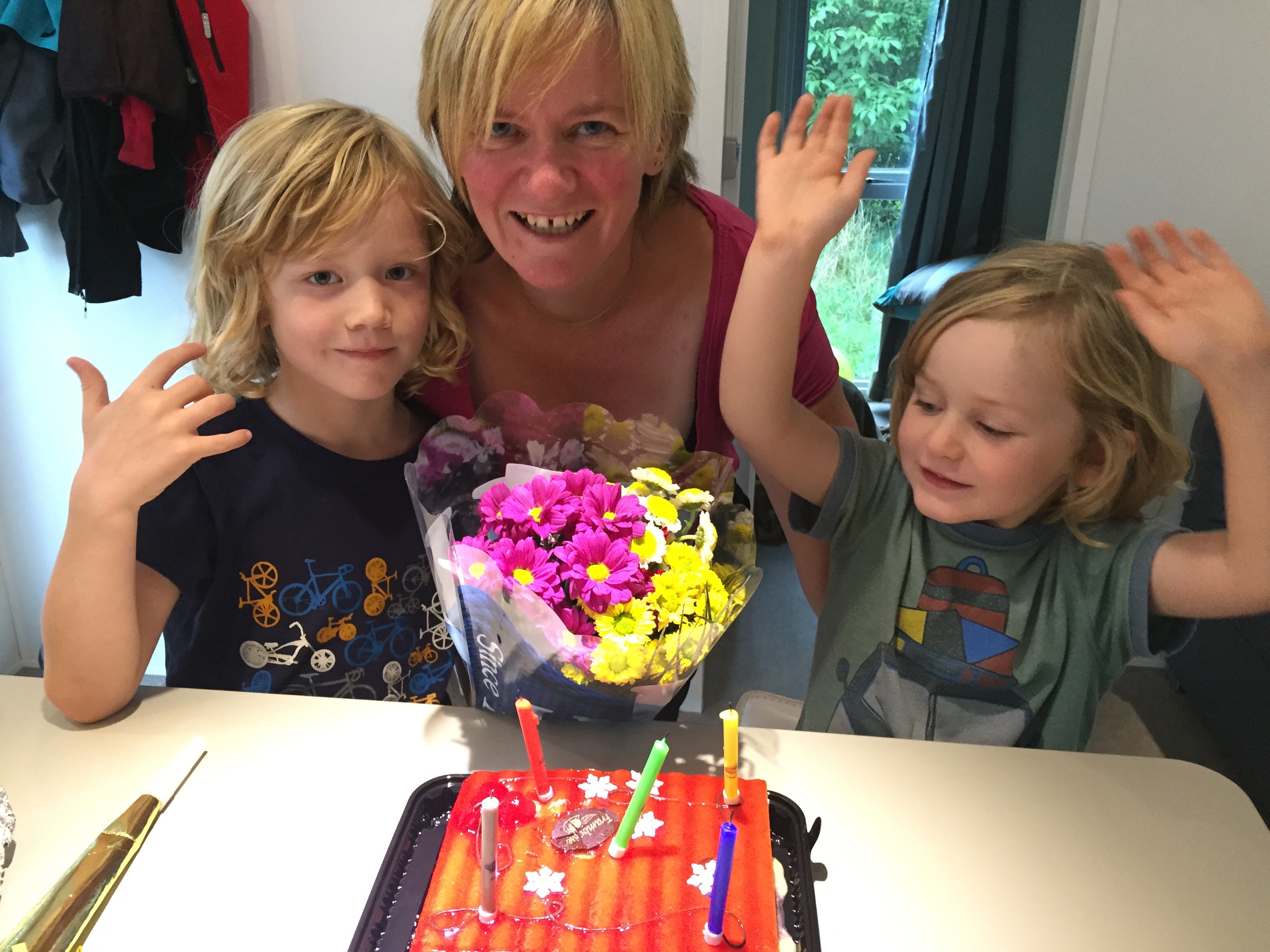
“Your first birthday!” said big WB delightedly to Mommy WB – he obviously had no recollection of the (very) many that had gone before. Bless him.


Birthday luxury


Hip hooray!


Iparralde: French Basque Country

WildBerry Mamas were looking forward to the next phase of our journey: a whirlwind ten day trip across France from South to North, ultimately reaching Cherbourg and a ferry to Ireland. Our first destination was the Dordogne region, where we planned to visit the legendary prehistoric caves. Our route took us through French Basque country; having spent a week on the Spanish side, we were curious to see how the Pays Basque might differ from the País Vasco.

What better plan than to stop for lunch at the scenic little village of Saint Jean-de-Luz, famous iconic surfing destination and holiday resort where beautiful people go to see and be seen? We did find some (beautiful people, that is – see ¡Ola Guapo! our earlier post).

beautiful boys
Beautiful people we found on the street